When to Give Baby Cereal in Bottle? Expert Tips for Parents
Are you wondering when the right time is to give your baby cereal in a bottle? It’s a common question for many parents, and getting the timing just right can make a big difference in your little one’s comfort and nutrition.
You want to ensure your baby gets the best start without any fuss or worry. You’ll discover clear signs that show your baby is ready, tips to make the transition smooth, and important safety points to keep in mind. Keep reading to find out exactly when and how to introduce cereal in your baby’s bottle with confidence.
Signs Baby Is Ready
Knowing when to give baby cereal in a bottle is important for your baby’s health. Babies show certain signs that tell you they are ready for solid foods. Watch for these signs closely. They help you decide the right time to start.
Age Milestones
Most babies are ready for cereal around six months old. Some may be ready a little earlier or later. Your baby’s age is a helpful guide but not the only one.
Check with your pediatrician if you are unsure about the timing. Age alone does not mean the baby is ready.
Sitting And Head Control
Your baby should sit up with little or no support. Good head control is very important. It helps prevent choking when eating cereal from a bottle.
If your baby struggles to hold their head steady, wait before giving cereal.
Interest In Solid Foods
Babies who watch others eat and try to grab food show interest. They may open their mouth when food comes near. This signals readiness for cereal in a bottle.
Babies who turn away or refuse food are not ready yet. Respect their signals to avoid feeding problems.
Credit: elbowlanecamp.com
Choosing The Right Cereal
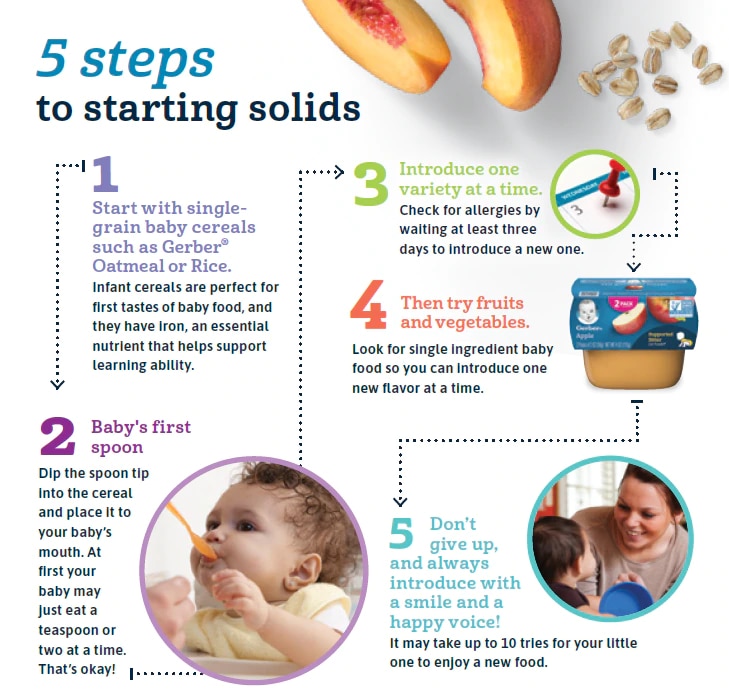
Babies can start cereal in a bottle around 4 to 6 months old. Signs like good head control and interest in food help decide the right time. Always mix cereal with breast milk or formula for easy digestion.
Introducing cereal to a baby’s diet is an important step. The right cereal supports healthy growth and development. Parents should pick cereals that match their baby’s age and needs. Understanding different cereals helps make better choices.
Start with simple cereals that are easy to digest. This can help avoid tummy troubles. Nutrients in the cereal should provide good energy and build strong bones. Watch for any signs of allergies when trying a new cereal.
Types Of Baby Cereals
Rice cereal is the most common first choice. It is easy to digest and rarely causes allergies. Oat cereal is another option with more fiber. Barley cereal offers a different taste and texture. Mixed grain cereals combine several grains for variety.
Choose cereals labeled iron-fortified. Iron helps prevent anemia and supports brain development. Avoid cereals with added sugar or salt. These can be hard for a baby’s kidneys to handle.
Nutritional Value
Baby cereals provide important vitamins and minerals. Iron is a key nutrient for growing babies. Many cereals are fortified to boost iron levels. Fiber in cereals helps keep digestion smooth. Some cereals also offer vitamin B, zinc, and folate.
Check the nutrition label carefully. Choose cereals with balanced nutrients. This supports healthy growth and proper brain function. Balanced nutrition sets a good foundation for later foods.
Allergy Considerations
Start one new cereal at a time. This helps spot any allergic reactions quickly. Watch for rashes, swelling, or breathing issues. Stop feeding the cereal if any symptoms appear. Consult a doctor if allergies are suspected.
Rice cereal has a low allergy risk. Oats and barley may cause allergies in some babies. Avoid wheat cereals before 6 months to reduce allergy chances. Always read labels for potential allergens and ingredients.
Preparing Cereal For Bottle
Preparing cereal for a baby’s bottle requires care and attention. The right texture and mixing method ensure safe and easy feeding. This section guides you on how to prepare cereal correctly.
Proper Consistency
The cereal should be thin and smooth. Thick cereal can cause choking. Start with a small amount of cereal. Mix it well with breast milk or formula. The mixture should flow easily from the bottle nipple.
Mixing Guidelines
Use warm, not hot, milk or formula. Add cereal powder slowly. Stir or shake gently to avoid lumps. Avoid making the cereal too thick. A smooth blend helps the baby swallow comfortably.
Safe Feeding Practices
Feed the baby in a semi-upright position. Hold the bottle steadily and watch the baby closely. Stop feeding if the baby coughs or gags. Never prop the bottle; always stay with the baby. Clean the bottle and nipple after each use.
Feeding Tips And Tricks
Introducing baby cereal in a bottle can feel tricky. Simple tips help you feed your baby safely and comfortably. Knowing the right tools and methods makes feeding time smooth. Pay attention to your baby’s signals to know their needs.
Here are some helpful feeding tips and tricks for adding cereal to a bottle.
Bottle Types And Nipples
Choose bottles made for thick liquids. Some bottles have wide necks for easy mixing. Nipples with a slow flow prevent choking. Soft silicone nipples feel gentle on baby’s mouth. Change nipples when they wear out or get sticky.
Feeding Positions
Hold your baby upright during feeding. This helps prevent choking and ear infections. Support the head and neck gently but firmly. Avoid feeding while baby lies flat. Keep the bottle at a slight angle to control flow.
Recognizing Baby’s Cues
Watch for signs of hunger like lip licking or sucking. Stop feeding when baby turns head or pushes bottle away. Crying may mean baby is full or uncomfortable. Let baby set the pace and take breaks as needed.
Potential Risks And Precautions
Introducing cereal in a baby’s bottle has some risks. Parents should know these risks and take care. Understanding the dangers helps keep babies safe and healthy. Always watch your baby closely during feeding times.
Choking Hazards
Thick cereal can cause choking if not mixed well. The texture must be smooth and runny. Use the right spoon or bottle nipple for feeding. Never leave the baby unattended while eating. Stop feeding if the baby coughs or gags.
Overfeeding Concerns
Babies might drink more than needed from a bottle with cereal. Overfeeding can cause stomach pain and discomfort. Follow your baby’s hunger cues carefully. Avoid forcing the baby to finish the bottle. Balanced feeding supports healthy growth and digestion.
Allergic Reactions
Some cereals may cause allergies in babies. Watch for rash, swelling, or vomiting after feeding. Introduce new cereals one at a time. Consult a doctor if you notice any allergic symptoms. Early detection helps prevent serious health issues.
When To Consult A Pediatrician
Knowing the right time to add baby cereal in the bottle can be tricky. Sometimes, parents need advice from a doctor. A pediatrician can guide you if you have doubts or notice any issues. They ensure your baby stays healthy and grows well during this change.
Health Issues
Consult a pediatrician if your baby has health problems. Conditions like allergies or digestive troubles need expert care. The doctor can suggest the best cereal type and feeding method. This helps avoid discomfort and keeps your baby safe.
Feeding Difficulties
Watch for signs of feeding problems. If your baby refuses the bottle or chokes, ask a doctor. Some babies may need special feeding techniques or tools. Early help prevents stress for both baby and parents.
Growth Monitoring
Regular check-ups track your baby’s growth and nutrition. If your baby is not gaining weight or growing well, see a pediatrician. The doctor can adjust feeding plans or find other causes. This support keeps your baby strong and healthy.

Credit: www.nutrichicos.com
Frequently Asked Questions
When Is The Right Time To Add Cereal To Baby’s Bottle?
Most experts suggest adding cereal at about 4 to 6 months, when your baby shows readiness signs. This includes good head control and interest in solid foods. Always consult your pediatrician before starting to ensure it’s suitable for your baby’s development.
Can Baby Cereal Be Mixed In A Bottle Safely?
Yes, baby cereal can be mixed with breast milk or formula in the bottle. Make sure the mixture is smooth and thin to prevent choking. Always prepare fresh servings and avoid storing cereal bottles for long periods.
How Much Baby Cereal Should Be Added To A Bottle?
Start with 1 to 2 teaspoons of cereal mixed into 4 to 6 ounces of milk. Gradually increase the amount as your baby gets used to the texture. Avoid adding too much cereal to keep the mixture easy to swallow.
Is It Okay To Feed Baby Cereal In A Bottle At Night?
Feeding cereal in a bottle at night is generally not recommended. It may cause dental issues and disrupt natural hunger cues. Instead, use bottles for milk only and introduce solids during daytime feeding times.
Conclusion
Introducing cereal in a bottle can help ease feeding for some babies. Wait until your baby shows signs of readiness, usually around 4 to 6 months. Start with small amounts to see how your baby reacts. Always talk to your pediatrician before changing feeding routines.
Watch your baby carefully for any discomfort or allergies. Feeding should stay simple and safe. Trust your instincts and your baby’s cues. This helps create a happy and healthy feeding experience for both.