How Many ML in a Water Bottle? The Surprising Truth Everyone Should Know
A standard water bottle usually holds between 500 ml and 1000 ml, though sizes can range from tiny 250 ml bottles to huge 1500 ml or 2-liter ones, depending on the brand and purpose.
Have you ever picked up a bottle of water and wondered exactly how much liquid you’re holding in your hand? You’re definitely not alone. This is one of those questions that sounds simple but actually has a pretty interesting answer once you dig into it. Water bottles come in so many shapes, sizes, and brands that the “standard” size isn’t as standard as you’d think.
In this article, we’re going to break down everything you need to know about water bottle sizes, why they vary so much, and how to pick the right one for your needs. Whether you’re buying bottled water for a road trip, filling up a reusable bottle for the gym, or just curious about the numbers, this guide has got you covered.
What Is the Average Size of a Water Bottle?
Generally speaking, most commercial water bottles fall somewhere between 500 ml and 1 liter (1000 ml). However, that’s just a rough average. Depending on where you live and which brand you’re buying, the numbers can shift quite a bit.
For example, in the United States, a “standard” disposable water bottle is often 16.9 fluid ounces, which converts to roughly 500 ml. Meanwhile, in many European countries, 500 ml and 750 ml bottles are more common on store shelves. So really, there isn’t one single universal number — it depends heavily on regional habits and manufacturer choices.
Common Water Bottle Sizes at a Glance
To make things easier, here’s a quick table showing some of the most popular bottle sizes and where you’ll typically find them.
| Bottle Size (ml) | Fluid Ounces (approx.) | Common Use |
|---|---|---|
| 250 ml | 8.5 oz | Mini bottles, kids’ lunchboxes, hotel rooms |
| 330 ml | 11.2 oz | Soda-style bottles, vending machines |
| 500 ml | 16.9 oz | Most common single-serve bottle |
| 750 ml | 25.4 oz | Sports bottles, premium water brands |
| 1000 ml (1 liter) | 33.8 oz | Reusable bottles, gym bottles |
| 1500 ml | 50.7 oz | Large personal bottles, hiking |
| 2000 ml (2 liters) | 67.6 oz | Family-size bottles, home use |
As you can see, the range is pretty wide, and that’s honestly a good thing. It means there’s a bottle size out there for pretty much every situation, whether you need something small enough to toss in your purse or big enough to last you through an entire workday.
Why Do Water Bottle Sizes Vary So Much?
This is where it gets interesting. You might think that bottled water companies would agree on one universal size just to keep things simple, but that’s not how the market works at all. Several factors influence why bottle sizes are so different from brand to brand and country to country.
1. Regional Measurement Standards
In countries that use the metric system, bottles are typically measured in milliliters and liters. In the United States, which still leans heavily on the imperial system, bottles are often labeled in fluid ounces, even though the actual volume is still measured in milliliters behind the scenes. This creates a bit of confusion for travelers who aren’t used to converting between the two systems.
2. Consumer Convenience
Smaller bottles, like 250 ml or 330 ml, are designed for quick, on-the-go hydration. They fit nicely in cup holders, backpack side pockets, and even purses. On the other hand, larger bottles, such as 1 liter or 1.5 liter sizes, are meant for people who want fewer refills throughout the day, like hikers, gym-goers, or office workers who don’t want to get up every twenty minutes.
3. Marketing and Branding Strategies
Believe it or not, bottle size is also a marketing decision. Some brands intentionally choose odd sizes, like 591 ml instead of a clean 600 ml, simply because it sounds more “premium” or because it matches a specific price point. Companies also test different sizes to see what sells best in vending machines, grocery stores, and convenience shops.
4. Environmental and Cost Considerations
Larger bottles tend to use less plastic per milliliter of water compared to several smaller bottles. Because of this, many eco-conscious brands are shifting toward bigger, reusable bottle designs instead of pushing single-use plastic in small quantities.
How Much Water Should You Actually Drink From a Bottle?
Now that we’ve covered bottle sizes, let’s talk about something equally important — how much water your body actually needs. Health experts often recommend drinking around 2 liters of water per day for the average adult, although this number can change based on activity level, climate, and overall health.
If you’re using a 500 ml bottle, that means you’d need to refill it about four times a day to hit that 2-liter mark. If you’re carrying a 1-liter bottle, you’d only need two refills. This is exactly why bottle size matters so much when you’re trying to build healthy hydration habits.
Quick Hydration Table
| Bottle Size | Refills Needed for 2 Liters |
|---|---|
| 250 ml | 8 refills |
| 500 ml | 4 refills |
| 750 ml | 2-3 refills |
| 1000 ml | 2 refills |
| 1500 ml | 1-2 refills |
Seeing it laid out like this really puts things into perspective, doesn’t it? Choosing the right bottle size can actually make it easier to track your daily water intake without constantly doing math in your head.
Reusable vs. Disposable Bottles: Does Size Matter Differently?
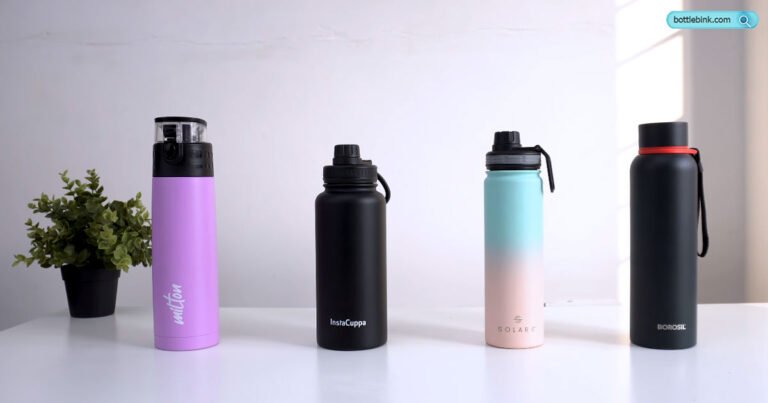
When it comes to reusable bottles, sizing tends to be a bit more generous. Brands that make stainless steel or BPA-free plastic bottles often offer sizes like 750 ml, 1 liter, or even 1.5 liters because these bottles are meant to last all day, not just for a single use.
Disposable bottles, meanwhile, are usually smaller since they’re meant to be consumed quickly and then recycled or thrown away. This is a big reason why grocery store water bottles often come in that familiar 500 ml size — it’s just enough for one sitting without being wasteful.
Things to Consider When Choosing Bottle Size
- How active is your daily routine?
- Do you have easy access to refill stations?
- Are you traveling or staying in one place?
- Do you prefer fewer refills or a lighter bottle to carry?
- Is portability more important than capacity for you?
Thinking through these questions can help you figure out which bottle size actually fits your lifestyle instead of just grabbing whatever is on sale.
How Bottled Water Brands Compare in Size
Different bottled water brands often stick to their own preferred sizes, and this can create some confusion at the store. For instance, some premium spring water brands might sell 750 ml glass bottles, while budget brands might stick to the standard 500 ml plastic option. Sparkling water brands sometimes use smaller 330 ml cans or bottles since carbonated drinks are often consumed in smaller portions.
It’s worth checking the label next time you’re shopping, since the size isn’t always obvious just by looking at the bottle’s shape. Two bottles that look almost identical on the shelf can actually hold noticeably different amounts of water.
Tips for Estimating Water Volume Without a Label
Sometimes you might come across a bottle without a clear label, maybe a reused container or an old bottle sitting in your cupboard. In situations like this, there are a few simple tricks you can use to estimate the volume.
First, you can use a measuring cup to pour water into the bottle and track how much it takes to fill it up completely. Second, if you know the bottle’s dimensions, you can calculate the volume using its height, width, and shape as a rough guide. Third, many household items, like soda bottles or juice containers, follow standard sizing, so comparing your mystery bottle to a known size can give you a fairly accurate estimate.
Frequently Asked Questions
1. How many ml are in a standard water bottle?
Most standard disposable water bottles hold around 500 ml, though this can vary by brand and country.
2. How many ml are in a 16.9 oz water bottle?
A 16.9 oz water bottle is equal to approximately 500 ml, making it one of the most common sizes sold in the U.S.
3. Is a 1-liter bottle the same as 1000 ml?
Yes, 1 liter is exactly equal to 1000 ml, so these terms are often used interchangeably.
4. How many 500 ml bottles make up 2 liters?
It takes four 500 ml bottles to reach a total of 2 liters, which is the commonly recommended daily water intake.
5. Why do some water bottles have odd sizes like 591 ml?
Odd sizes are often chosen for marketing purposes or to align with specific pricing strategies, rather than for practical measurement reasons.
6. What is the biggest water bottle size available?
While sizes vary by brand, personal reusable bottles can go up to 1.5 or 2 liters, and larger jugs can hold several gallons for home or office use.
7. How much water is in a mini hotel bottle?
Mini hotel-style water bottles usually contain around 250 ml, just enough for a quick sip or two.
8. Are reusable bottles usually bigger than disposable ones?
Yes, reusable bottles tend to be larger, often ranging from 750 ml to 1.5 liters, since they’re designed for all-day use.
9. How do I know the exact ml of my water bottle?
Check the label near the bottom or side of the bottle, or measure it manually using a measuring cup if no label is available.
10. Does bottle size affect how much water I should drink daily?
Not directly, but it can make it easier or harder to track your daily intake depending on how many refills you need.
Final Words
At the end of the day, the number of milliliters in a water bottle really depends on the type of bottle, the brand, and where it’s being sold. While 500 ml remains one of the most common sizes worldwide, options range anywhere from a tiny 250 ml to a large 2-liter container. Understanding these differences can help you make smarter choices, whether you’re grabbing a quick drink on your way out the door or planning your hydration for a long day ahead.
So next time you pick up a bottle of water, take a quick look at the label. You might be surprised at just how much (or how little) you’re actually drinking.