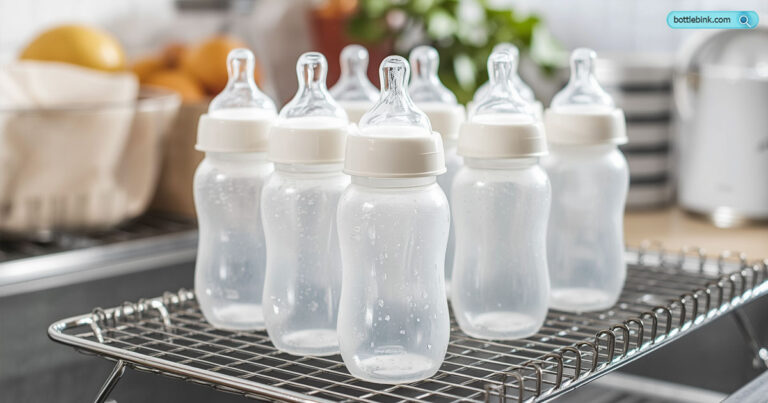
Are Philips Avent Bottles Good For Breastfeeding (Honest Review)
If you’re a breastfeeding mom, you already know the struggle is real. Getting your baby to accept a bottle while still keeping up with nursing is one of those parenting challenges nobody really warns you about. You spend hours researching, reading reviews, and wondering — will my baby even take this thing?
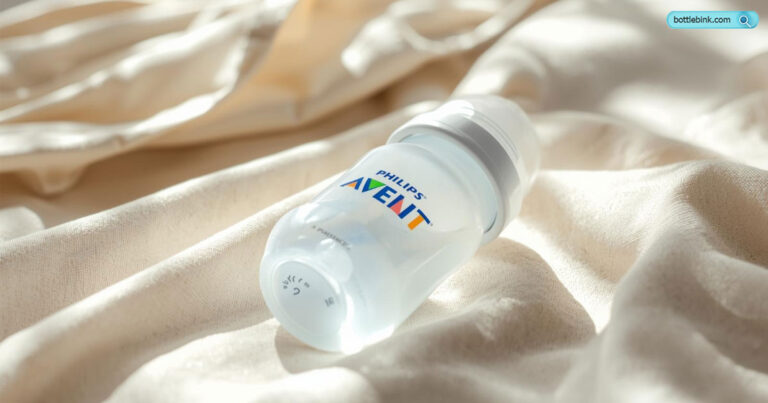
That’s exactly where Philips Avent bottles come into the picture. They’ve been around for decades, and for good reason. Millions of parents swear by them. But are they truly the right fit for breastfeeding families? Let’s break it down honestly and thoroughly — no fluff, no sugarcoating.
What Makes Philips Avent Bottles Stand Out?
First things first — Philips Avent isn’t just a random brand slapping a fancy label on a bottle. They’ve actually put serious thought into how their products are designed, especially with breastfed babies in mind.
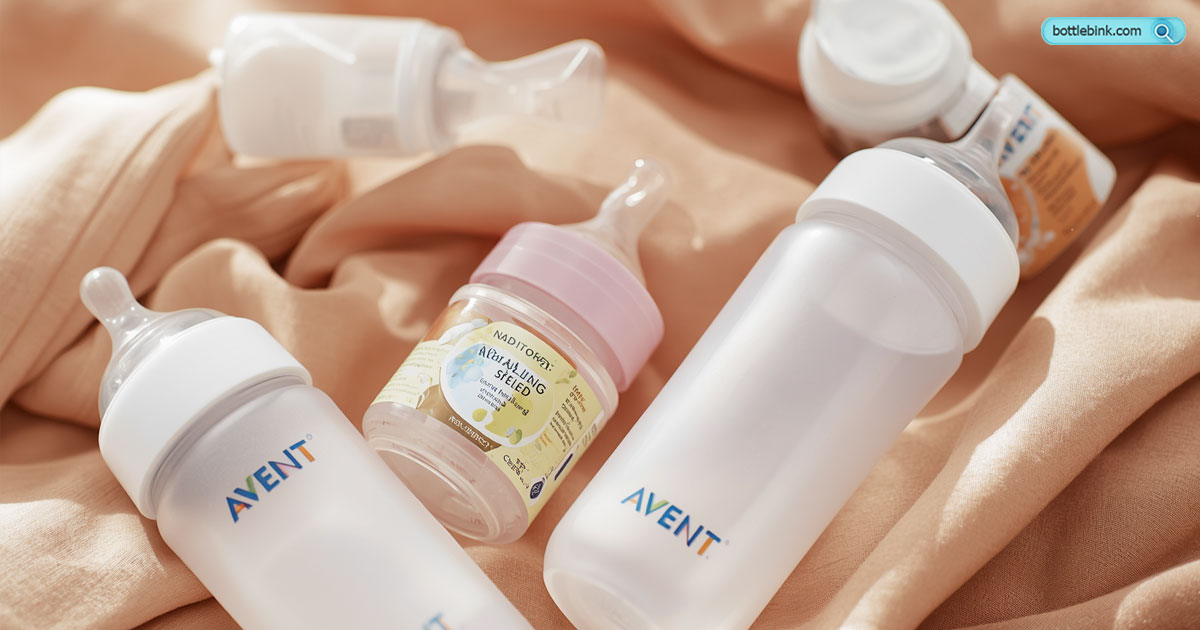
The Natural Response Nipple Technology
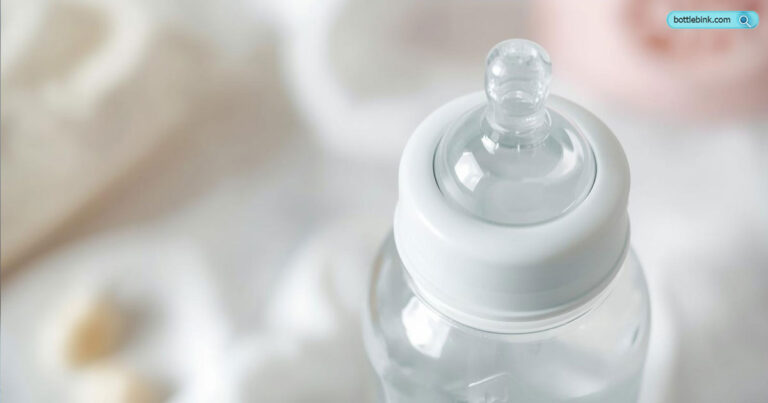
The standout feature across the Avent Natural lineup is what they call the “Natural Response” nipple. Unlike regular bottle nipples that flow milk freely when a baby sucks, this one is designed to work only when your baby actively feeds — just like the natural breast. The baby has to use the same tongue and jaw movements they would during nursing. This is a big deal because it dramatically reduces the chance of nipple confusion.
Furthermore, the nipple has a unique petal design inside that allows it to flex comfortably, making the experience feel closer to natural feeding. Parents who’ve made the switch mid-breastfeeding journey have reported noticeably less fussing at the breast after bottle feeds — which is honestly a win worth celebrating.
Anti-Colic Design
One thing parents often overlook when picking a bottle is the anti-colic system. Philips Avent bottles feature a built-in anti-colic valve that vents air away from your baby’s belly during feeding. Less air swallowed means less gas, less fussing, and — fingers crossed — more sleep for everyone involved.
This feature alone sets them apart from many budget bottles that skip this design element entirely. If your baby already deals with gassiness, this could genuinely make a noticeable difference.
| Feature | Philips Avent Natural | Standard Baby Bottle |
|---|---|---|
| Nipple Design | Natural Response — mimics breast | Standard flow, no breast mimicry |
| Anti-Colic System | Built-in valve vents air away | Often absent or basic |
| Nipple Confusion Risk | Low — requires active sucking | Higher — passive milk flow |
| Latch Compatibility | Wide, breast-shaped base | Narrow, less breast-like |
| Materials | BPA-free PP or borosilicate glass | Varies widely by brand |
| Flow Rate Options | Multiple (Newborn to Fast) | Limited in most brands |
Are Philips Avent Bottles Actually Good for Breastfeeding?
Here’s where we get into the meat of it. The short answer is yes, but the long answer is a little more nuanced — and that nuance actually matters when you’re a sleep-deprived parent trying to make a good decision.
Why Breastfeeding Moms Tend to Love Them
Breastfeeding mothers who need to introduce a bottle — whether for going back to work, pumping sessions, or simply getting a break — often worry about their baby rejecting the breast altogether. Philips Avent’s wide, soft nipple base encourages a wide latch, which is the same kind of latch lactation consultants encourage during nursing. So the transition back to the breast tends to be much less traumatic.
Additionally, the fact that Avent bottles are compatible with Philips Avent breast pumps is a genuine convenience. You can pump directly into the bottle, cap it, and refrigerate — without transferring milk between containers and risking spillage. For exhausted moms, that kind of streamlined system is genuinely appreciated.
What Lactation Consultants Say
Many International Board Certified Lactation Consultants (IBCLCs) recommend paced bottle feeding when combining breastfeeding with bottles. Philips Avent Natural bottles are well-suited for this technique because the slow-flow newborn nipple delivers milk gradually, allowing the baby to control the pace — just like they would at the breast. This prevents the baby from getting used to fast, effortless milk flow, which can lead to breast refusal.
Philips Avent Natural vs. Philips Avent Classic: Which Is Better for Breastfeeding?
Avent makes two main bottle lines, and the difference between them is worth understanding before you spend your money.
Philips Avent Natural
This is the line that’s been redesigned with breastfeeding compatibility in mind. The Natural Response nipple, wider base, and more flexible silicone make it the go-to choice for nursing mothers. If you’re combining breast and bottle, this is the line you want.
Philips Avent Classic (Anti-Colic)
The Classic line is a solid, no-frills option. It still features the anti-colic system, but the nipple design is narrower and more traditional. It works well for formula-fed babies but isn’t as ideal if you’re actively breastfeeding alongside bottle use.
| Comparison | Philips Avent Natural | Philips Avent Classic |
|---|---|---|
| Best For | Breastfeeding + bottle combo | Formula feeding or full bottle use |
| Nipple Shape | Wide, breast-shaped | Narrower, traditional |
| Nipple Flexibility | High — flexes like breast tissue | Moderate |
| Anti-Colic System | Yes | Yes |
| Pump Compatibility | Yes — Avent pumps attach directly | Limited compatibility |
| Price Range | Slightly higher | More budget-friendly |
The Real Pros and Cons — Told Honestly
No product is perfect. It’s important to go in with realistic expectations so you’re not caught off guard once the bottles arrive.
The Genuine Pros
To begin with, the breast-like nipple design genuinely helps babies who need to switch between feeding methods. The wide latch base is one of the best in the market for mimicking natural nursing. On top of that, the materials used — BPA-free plastic and borosilicate glass for their glass version — are safe and durable. The anti-colic valve works quietly and doesn’t make bottle feeding messier than it needs to be. Finally, they’re easy to clean. The parts are few, the bottle opens wide, and most components are dishwasher-safe.
The Honest Cons
On the flip side, some babies simply don’t take to any bottle, regardless of the brand. If your baby is strongly attached to the breast, even the best-designed bottle might get rejected at first — and that’s not a product failure, it’s just baby behavior. Furthermore, the bottles can leak if the collar isn’t screwed on properly, which is a small but frustrating issue that comes up in parent reviews more than it probably should. Also, if you’re looking for the absolute most affordable option, there are cheaper bottles out there. Avent sits in the mid-to-upper price range.
| Pros | Cons |
|---|---|
| Breast-mimicking nipple design | Some babies still refuse all bottles |
| Effective anti-colic valve | Can leak if collar is loose |
| Works with Avent breast pumps | Mid-to-high price point |
| BPA-free, safe materials | Wide base may not suit all baby mouths |
| Easy to clean and assemble | Parts need careful alignment to prevent leaks |
Tips for Introducing Philips Avent Bottles to a Breastfed Baby
Even the best bottle in the world needs a good introduction. Here are some practical, real-world tips that genuinely help.
Timing Is Everything
Don’t wait until you’re desperate to introduce a bottle. Ideally, bottles are introduced somewhere between 3 and 6 weeks, once breastfeeding is well established. If you wait too long — like past 3 months — babies tend to be much more stubborn about accepting one.
Let Someone Else Do the First Bottle
If your baby can smell you nearby, they’ll hold out for the real thing. Have your partner, a grandparent, or a trusted caregiver offer the first bottle while you’re in another room. This trick works more often than you’d think.
Warm It Up
Breast milk from the breast is body temperature. Cold or room-temperature milk from a bottle can feel foreign and off-putting. Warming the bottle slightly — not hot, just warm — makes a significant difference for many babies.
Practice Paced Bottle Feeding
Hold the bottle horizontally rather than tilting it up. This slows the flow of milk and makes the baby work a little, mimicking the breast. It also prevents them from getting too comfortable with the ease of bottle feeding and deciding the breast is too much effort.
How Do Philips Avent Bottles Compare to Other Popular Brands?
It’s only fair to size them up against the competition, especially since brands like Dr. Brown’s, Tommee Tippee, and Comotomo are also highly rated among breastfeeding families.
| Brand | Best Feature for BF Moms | Weakness | Price Range |
|---|---|---|---|
| Philips Avent Natural | Natural Response nipple, pump compatibility | Can leak if misaligned | $$ |
| Dr. Brown’s Original | Excellent anti-colic internal vent system | More parts = harder to clean | $$ |
| Tommee Tippee Closer to Nature | Very breast-like nipple shape | Fewer nipple flow options | $–$$ |
| Comotomo | Soft, squeezable silicone body | Expensive, only two sizes | $$$ |
| Lansinoh Momma | NaturalWave nipple great for BF babies | Less brand recognition, harder to find | $ |
Honestly, Philips Avent holds its own beautifully in this comparison. The combination of their anti-colic design, breast-mimicking nipple, and pump compatibility makes them a really well-rounded choice — not the cheapest, but genuinely worth the investment for breastfeeding families.
Glass vs. Plastic Avent Bottles — Which Should You Choose?
Philips Avent offers both glass and plastic versions of their Natural bottles, and parents often ask which one is the better pick.
The Case for Glass Bottles
Glass bottles are more environmentally friendly, don’t absorb odors, and are generally considered the purer option. They’re also great for warming milk because heat doesn’t cause any chemical concerns. The downside is weight — glass bottles are heavier, which matters when you’re doing a middle-of-the-night feed on minimal sleep.
The Case for Plastic Bottles
Philips Avent plastic bottles are made from BPA-free polypropylene, so they’re considered safe. They’re lightweight, less likely to shatter if dropped, and much more travel-friendly. For most families, the plastic versions do the job wonderfully without any safety compromise.
Frequently Asked Questions
Q1: At what age can I start using Philips Avent bottles with my breastfed baby?
Most lactation consultants suggest waiting until breastfeeding is well established — usually around 3 to 6 weeks old — before introducing any bottle. Starting too early can interfere with milk supply and breastfeeding routines. However, if there’s a medical need to supplement, your healthcare provider may recommend starting sooner.
Q2: Will my breastfed baby experience nipple confusion with Philips Avent bottles?
The risk of nipple confusion is significantly lower with Philips Avent Natural bottles compared to regular bottles, thanks to the Natural Response nipple that requires active sucking. That said, using paced bottle feeding techniques alongside the bottle will further reduce any confusion between breast and bottle.
Q3: Are Philips Avent bottles compatible with other brand breast pumps?
Philips Avent bottles are designed to work seamlessly with Philips Avent breast pumps. Compatibility with other pump brands depends on the specific model, and an adapter may be needed. Always check compatibility before purchasing to avoid needing to transfer milk between containers.
Q4: Which Philips Avent nipple flow rate is best for a newborn breastfed baby?
Always start with the slowest flow nipple — the Newborn (0m+) flow. This rate mimics the slower delivery of milk from the breast and ensures your baby has to work for their feed, which supports continued breastfeeding success. Moving up in flow too soon can cause bottle preference.
Q5: How do I clean Philips Avent bottles properly?
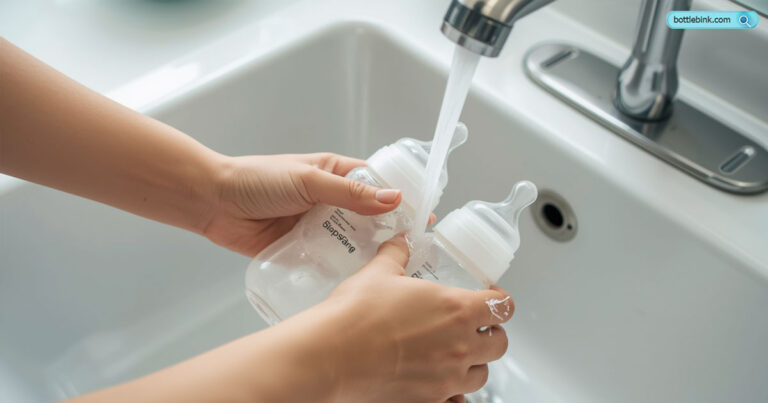
All Philips Avent Natural bottle components — the bottle, nipple, collar, and disc — are dishwasher-safe and can also be sterilized using steam or boiling. After each use, it’s recommended that all parts be rinsed immediately and washed thoroughly to prevent milk residue buildup.
Q6: Can Philips Avent bottles be used to store breast milk?
Yes, absolutely. Philips Avent bottles can be used for milk storage in the refrigerator for up to 48 hours when sealed with the storage cap. For longer storage, breast milk should be transferred to dedicated breast milk storage bags and placed in the freezer. Always label with the date and time of pumping.
Q7: My baby refuses the Philips Avent bottle — what should I do?
First of all, don’t panic — it’s extremely common. Try having someone other than the nursing parent offer the bottle, warm the milk slightly, offer the bottle when the baby is relaxed (not hungry or overtired), and try different positions. Some babies take several days or even weeks to accept a bottle. Consistency and patience are key.
Q8: Are there any safety concerns with Philips Avent bottles?
Philips Avent bottles are made from BPA-free materials and meet all international safety standards. The glass versions are made from borosilicate glass, which is heat-resistant and durable. As with any baby product, nipples should be replaced regularly — typically every 3 months or sooner if they show signs of wear, thinning, or discoloration.
Final Words
So, are Philips Avent bottles good for breastfeeding? The answer is a confident yes — with a few asterisks. They’re thoughtfully designed, widely trusted by parents and lactation consultants alike, and offer real features that genuinely support the breastfeeding journey. The Natural Response nipple, anti-colic valve, and pump compatibility make them one of the most practical and breast-friendly bottles on the market today.
That said, no bottle is a guaranteed winner with every baby. What matters most is introducing it patiently, using paced feeding techniques, and listening to what your baby responds to. Start with one or two bottles before committing to a full set, and give your little one time to adjust.
At the end of the day, a bottle that helps you get a break, lets your partner bond with the baby, or simply gives you peace of mind — that’s a bottle worth investing in. And Philips Avent does a genuinely good job of delivering exactly that.
This article is intended for informational purposes. Always consult your pediatrician or a certified lactation consultant for personalized feeding advice.