When To Replace Avent Baby Bottles
As a parent, you’re constantly making small but important decisions throughout the day. One that might not cross your mind often enough is when to swap out your baby’s bottles. It sounds simple, right? But honestly, it’s something a lot of parents overlook — and that’s completely understandable. Between feeding schedules, sleep deprivation, and everything else on your plate, checking whether your Avent baby bottle is still safe to use isn’t exactly at the top of the list.
That said, it genuinely matters. Baby bottles — even high-quality ones like Philips Avent — go through a lot. They’re washed daily, sterilized repeatedly, and exposed to heat. All of that adds up over time. So let’s break it all down in a straightforward, honest way so you know exactly when it’s time to say goodbye to those bottles.
Why Replacing Baby Bottles Actually Matters
First things first — why does this even matter? Well, when baby bottles age or get damaged, they can become a real problem. Plastic can degrade with repeated sterilization, which means microscopic cracks can form even when you can’t see them clearly. Those cracks trap milk residue and bacteria, which is obviously not something you want near your baby’s food.
Additionally, worn-out nipples can change the flow of milk, making it either too fast or too slow for your baby. A bottle nipple that’s too fast can cause choking or excessive gas. Too slow, and your baby gets frustrated and underfed. Neither is a situation any parent wants to deal with at 3 AM.
Furthermore, the materials themselves can break down over time. Although Philips Avent bottles are BPA-free, degraded plastic of any kind isn’t ideal for holding food for infants. So even if a bottle looks “fine,” there’s still a legitimate reason to keep tabs on how old it is.
How Long Do Avent Baby Bottles Last?
This is probably the question most parents start with, and honestly, it’s a good one. There’s no single hard-and-fast rule that applies to every household, because it really does depend on how often the bottle is used and how it’s been cared for. However, there are some solid general guidelines worth keeping in mind.
| Bottle Component | Recommended Replacement Time | Key Reason |
|---|---|---|
| Plastic bottle body | Every 4–6 months | Plastic degrades with heat and sterilization |
| Silicone nipple | Every 1–2 months | Wears out fastest; direct baby contact |
| Anti-colic insert/valve | Every 1–3 months | Can develop tears or lose effectiveness |
| Bottle ring/collar | Every 4–6 months | Can warp, crack, or stop sealing properly |
| Glass bottle body | Only if chipped or cracked | Glass is more durable but can break |
As you can see, the nipple is usually the part that needs the most frequent attention. It’s also the part that comes into direct contact with your baby, which makes it all the more important to keep an eye on.
Clear Warning Signs It’s Time to Replace Your Avent Bottle
Beyond the general timeline, your bottles will often tell you when they need to go. Here are the signs to watch out for — and none of them should be ignored.
Cracks, Chips, or Scratches You Can Feel
Any visible crack, chip, or deep scratch on a bottle should be an immediate trigger for replacement. Even small scratches on the inside of a bottle create the perfect hiding spot for bacteria. No matter how well you wash the bottle, bacteria inside those grooves can survive and multiply.
Run your finger along the inside of the bottle every now and then. If you can feel roughness or ridges, that’s not a good sign. Similarly, if you notice any cracks around the base or the collar area, it’s time to move on from that bottle.
Cloudiness or Discoloration That Won’t Wash Off
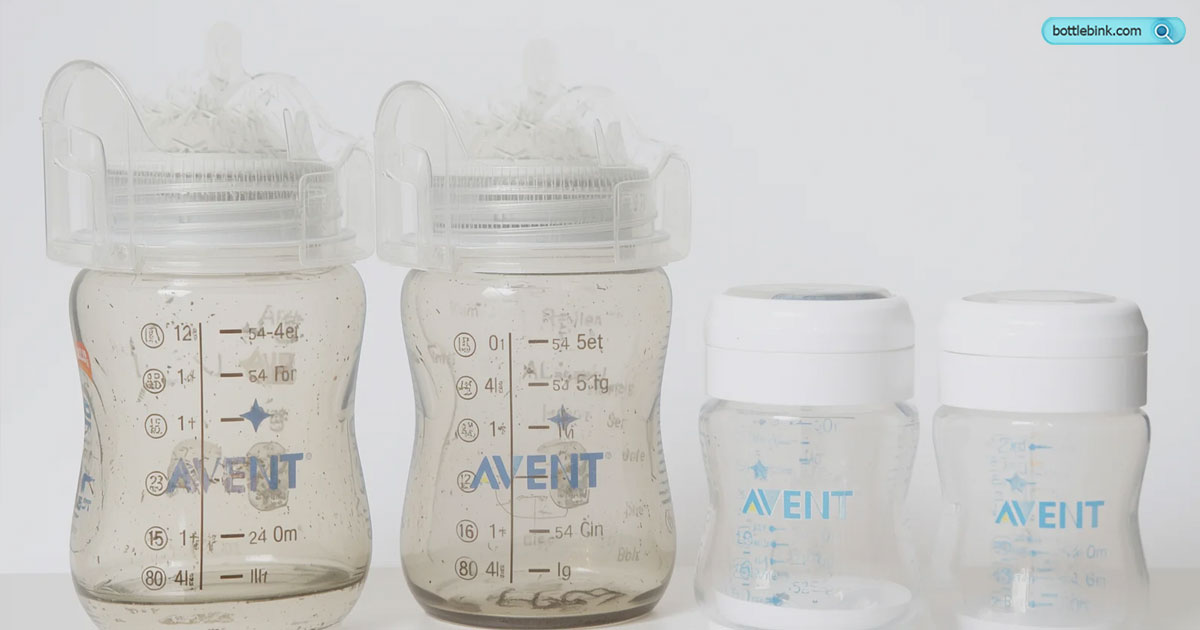
Avent bottles are designed to stay clear so you can easily see how much milk or formula is inside. Over time, though, repeated sterilization — especially in a microwave or dishwasher — can cause the plastic to turn cloudy. A slightly foggy bottle isn’t just an aesthetic issue; it usually indicates that the plastic has started to break down.
Discoloration — yellowish or brownish tints — can also happen from formula residue that has baked in over time. If the staining doesn’t come out with regular cleaning, it’s a clear sign that the bottle material has absorbed it. That’s a hygiene issue, and replacement is the right call.
Strange Smells That Linger
Bottles should smell clean after washing. If yours still have a sour, milky, or musty odor even after sterilization, that’s a red flag. Persistent odors are often a sign that milk residue has become embedded in the material — and that it’s no longer possible to fully sanitize the bottle.
Try soaking the bottle in a baking soda and water solution overnight. If the smell still doesn’t go away after that, trust your nose and get a new one.
Nipple Damage or Change in Shape
The nipple arguably needs the most frequent checking of all. Here are the specific things to look for:
- Thinning of the silicone walls
- Tears, holes, or splits — even tiny ones
- Stickiness or tackiness to the touch
- Color changes (yellowing or browning)
- The nipple collapsing during feeding more than usual
- The hole at the tip becoming too large or misshapen
Any one of these is enough reason to replace the nipple immediately. A damaged nipple is not just uncomfortable for your baby — it can also be a choking hazard if a piece breaks off during feeding.
Leaking or Poor Seal
Avent bottles are designed to seal well. If yours have started leaking — even slightly — the collar or ring may be warped or damaged. A leaky bottle means formula is being wasted, but more importantly, it can also mean air is getting into the feed, which contributes to gas and colic.
If tightening the collar doesn’t fix the leak, the seal is compromised and the bottle should be replaced.
Factors That Affect How Quickly Bottles Wear Out
Not all bottles wear out at the same rate. Several factors can speed up the degradation process significantly. Understanding these helps you keep better track of when replacements are due.
| Factor | Impact on Bottle Lifespan | Tips to Slow Down Wear |
|---|---|---|
| Dishwasher use | High heat shortens plastic life | Use top rack only; consider hand washing |
| Microwave sterilization | Can cause cloudiness faster | Alternate with cold-water sterilization tablets |
| Frequency of use | More use = more wear | Rotate between 2–3 bottles to spread out use |
| Hard water | Mineral deposits accelerate clouding | Use filtered water for washing |
| Storage conditions | UV light can degrade plastic | Store in a dark, dry cabinet |
Rotating between multiple bottles is actually one of the easiest ways to extend their lifespan. If you’re using only two or three bottles and cycling through them every single day, they’re going to wear out much faster than if you spread that use across five or six.
Avent Glass vs. Plastic Bottles — Does the Type Change Anything?
Philips Avent makes both plastic and glass bottles, and the replacement timelines do differ somewhat between the two. Glass bottles are naturally more durable in terms of material degradation — they don’t cloud, they don’t absorb odors, and they don’t break down with heat the way plastic does.
However, glass bottles should be replaced immediately if they develop any chips or cracks. Even a tiny chip on a glass bottle is a safety hazard. On the flip side, plastic bottles should be replaced based on the timelines above, even if they don’t look broken.
What About Avent Bottle Nipples Specifically?
Nipples deserve their own dedicated section because they’re the most frequently replaced component of any baby bottle setup. Philips Avent labels its nipples by flow rate — newborn, slow, medium, fast, and so on. As your baby grows, not only does the nipple wear out physically, but you’ll also need to move up to a faster flow rate.
Avent Nipple Flow Rate Guide by Age
| Nipple Flow | Recommended Age | Hole Size |
|---|---|---|
| Newborn (0m+) | 0–1 month | 1 hole, very slow |
| Slow (1m+) | 1–3 months | 1 hole, slow flow |
| Medium (3m+) | 3–6 months | 2 holes, medium flow |
| Fast (6m+) | 6+ months | 3 holes, faster flow |
| Variable (3m+) | 3+ months | Y-cut, adjustable flow |
Beyond age-based upgrades, replace the nipple immediately if it shows any of the physical warning signs mentioned earlier. It’s always better to be safe than sorry, especially given how direct the nipple contact is with your baby’s mouth.
How to Properly Care for Avent Bottles to Get the Most Out of Them
Of course, proper care goes a long way toward helping your bottles last as long as safely possible. Here are a few habits worth building into your routine.
Wash After Every Single Use
This one seems obvious, but letting milk sit in a bottle even for a short while allows bacteria to grow rapidly. Rinse the bottle immediately after feeding, then wash with warm soapy water using a bottle brush. Pay special attention to the nipple and the base of the bottle where milk tends to pool.
Sterilize Regularly — But Not Excessively
For newborns, sterilizing once a day is generally recommended. As your baby gets older and their immune system develops, once every few days is usually sufficient. Over-sterilizing, particularly with heat-based methods, actually accelerates the breakdown of plastic materials.
Inspect Before Every Use
Before you pour anything into a bottle, take five seconds to look it over. Check the nipple for tears, the bottle body for scratches, and the collar for any signs of warping. This tiny habit can catch problems before they become feeding-time disasters.
Don’t Use Abrasive Cleaners
Abrasive sponges or harsh chemical cleaners scratch plastic bottles and degrade the silicone on nipples. Stick to soft bottle brushes and mild dish soap. That’s really all you need for effective daily cleaning.
When Is It Time to Stop Using Baby Bottles Altogether?
This is a question that ties into your baby’s development rather than the bottle’s condition. Most pediatricians recommend transitioning away from bottles entirely somewhere between 12 and 18 months of age. By this point, babies are usually ready to start using sippy cups or open cups with guidance.
Prolonged bottle use beyond 18 months has been associated with dental concerns and can affect how toddlers learn to self-regulate their milk intake. So as you think about when to replace your Avent bottles, also keep in mind the bigger picture — there’s a point when no replacement is needed at all, because the bottle itself gets retired.
Frequently Asked Questions
Q1. How often should I replace Philips Avent bottle nipples?
Q2. Can I use Avent bottles that look cloudy but aren’t cracked?
Q3. Are Avent glass bottles safer than plastic ones?
Q4. What happens if I don’t replace a baby bottle in time?
Q5. Does the dishwasher damage Avent baby bottles?
Q6. How do I know if the Avent anti-colic valve needs replacing?
Q7. Can I pass Avent bottles down to a second child?
Q8. At what age should my baby stop using bottles altogether?
Final Words
At the end of the day, knowing when to replace your Avent baby bottles doesn’t have to be complicated. Keep a rough mental note of when you first started using each bottle, do a quick visual check before every feed, and replace nipples every month or two without overthinking it. The bottle body can generally go four to six months before needing a swap, provided it doesn’t show any of the warning signs discussed above.
Your baby depends entirely on you to make sure every single feed is safe and comfortable. The good news is that Philips Avent bottles are genuinely well-made, and with a little routine care and attention, they’ll serve you well for as long as they’re meant to. When they’ve run their course, replacing them is a small cost for the enormous peace of mind it gives you.
Trust your instincts, keep your eyes open, and don’t hesitate to replace a bottle the moment something feels off. Your baby is worth it — every single time.