How to Sterilize Baby Bottles: Easy Steps for Safe Feeding
You want the best for your baby, and keeping their bottles clean is a big part of that. But how do you make sure those bottles are truly safe and free from harmful germs?
Sterilizing baby bottles might sound tricky, but it’s easier than you think—and it can protect your little one from infections. You’ll discover simple, effective ways to sterilize your baby’s bottles at home. By the end, you’ll feel confident that every feeding is as clean and safe as possible.
Keep reading to learn how to take this important step for your baby’s health.

Why Sterilize Baby Bottles
Sterilizing baby bottles is important for your baby’s health. Babies have weak immune systems. Germs can cause serious illnesses. Cleaning alone does not remove all harmful bacteria. Sterilizing kills germs and keeps bottles safe. It helps protect your baby from infections. Parents can feel confident about feeding time. Sterilized bottles create a cleaner feeding environment.
Risks Of Unsterilized Bottles
Bacteria and viruses grow on unsterilized bottles. These germs can cause stomach infections. Babies may get diarrhea or vomiting. Unsterilized bottles increase the risk of illness. Some bacteria cause colic or rashes. Harmful germs may lead to respiratory problems. Unsterilized bottles can affect your baby’s growth. Avoid these risks by sterilizing every bottle.
Benefits For Baby’s Health
Sterilizing bottles reduces harmful bacteria. It helps prevent infections and illness. Babies feel better and grow stronger. Clean bottles support a healthy digestive system. Sterilized bottles protect your baby’s sensitive body. Feeding becomes safer and more comfortable. Parents can relax knowing bottles are clean.
When To Sterilize Bottles
Knowing when to sterilize baby bottles is important for your baby’s health. Sterilizing kills harmful germs that can make your baby sick. It also helps keep bottles clean and safe. Some times need more attention than others. Follow these simple guidelines to keep bottles sterile and safe for your baby.
New Bottles And Nipples
Always sterilize new bottles and nipples before first use. They might have dust or chemicals from the factory. Sterilizing removes these risks. This step ensures your baby only gets clean feeding tools.
After Each Use
Sterilize bottles after every use, especially for babies under 3 months. Milk can leave germs that grow quickly. Sterilizing stops bacteria growth and keeps bottles fresh. Wash bottles well before sterilizing for best results.
During Illness
Sterilize bottles more often when your baby is sick. Germs can spread easily and cause more problems. Clean bottles carefully to protect your baby from infections. Sterilizing helps your baby recover faster and stay healthy.
Methods To Sterilize Bottles
Sterilizing baby bottles is essential to keep your baby safe from harmful germs. There are several ways to sterilize bottles effectively. Each method helps remove bacteria and ensures the bottles are clean for feeding. Choose the method that fits your routine and available tools. Below are popular sterilizing techniques that many parents trust.
Boiling Water Technique
Boiling water is a simple and effective way to sterilize bottles. Fill a large pot with water and bring it to a boil. Submerge the bottles and their parts completely. Let them boil for at least 5 minutes. Use tongs to remove bottles carefully and place them on a clean towel to dry.
Steam Sterilizers
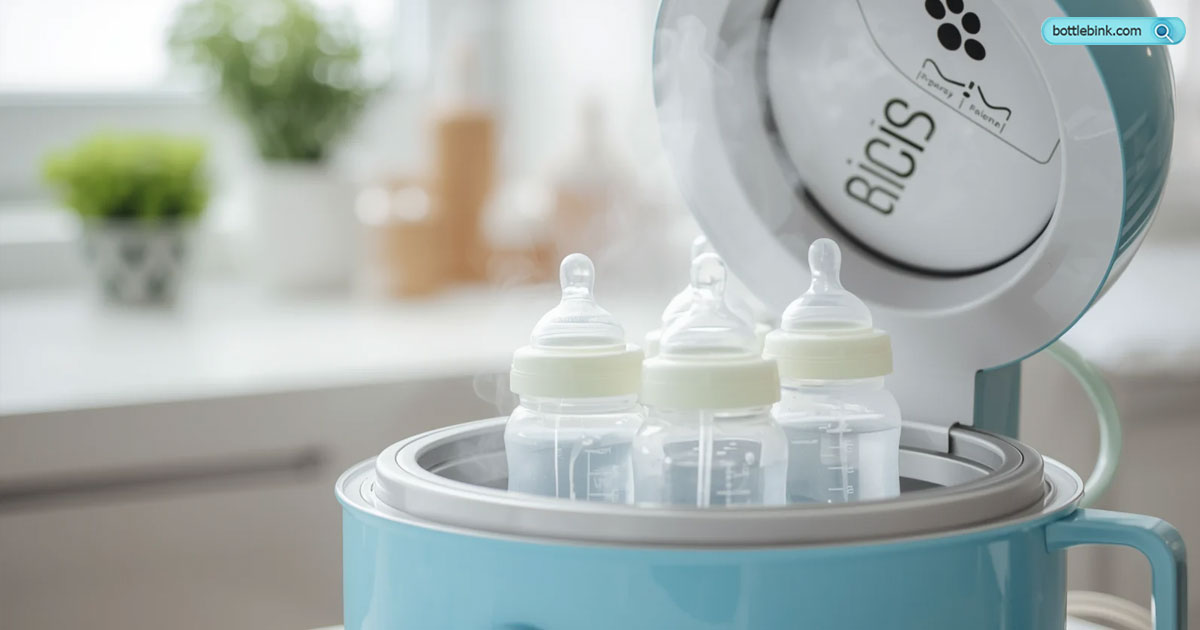
Steam sterilizers use hot steam to kill bacteria fast. Place the bottles and parts inside the sterilizer. Turn it on and wait for the cycle to finish, usually about 6 to 15 minutes. Steam sterilizers are easy to use and do not require chemicals. They keep bottles sterile until you use them.
Microwave Sterilizers
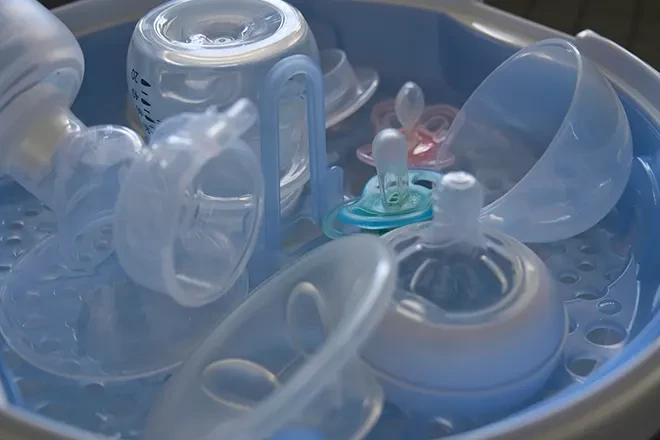
Microwave sterilizers are quick and convenient. Load the bottles and add a small amount of water as instructed. Place the sterilizer in the microwave and run it for a few minutes. The steam inside kills germs without damaging the bottles. This method is perfect for busy parents who need fast sterilizing.
Chemical Sterilizing Solutions
Chemical sterilizing solutions use special liquids to clean bottles. Dilute the solution in cold water according to the instructions. Soak the bottles and parts completely for the recommended time. Rinse with cooled boiled water if needed. This method works well when electricity or heat is not available.
Step-by-step Sterilizing Guide
Keeping baby bottles clean is very important for your baby’s health. Sterilizing bottles kills harmful germs and bacteria. Follow this step-by-step guide to sterilize bottles safely and easily. These methods fit different needs and tools you might have at home.
Preparing Bottles And Accessories
Start by washing your hands with soap and water. Take apart all bottle parts: nipples, rings, and caps. Rinse each piece under running water. Use a bottle brush to clean inside the bottle. Clean nipples and caps with a small brush. Remove all milk residue and dirt. Place all parts on a clean towel to dry. This step ensures better sterilization results.
Using Boiling Water Method
Fill a large pot with water and bring it to a boil. Submerge all bottle parts completely in boiling water. Keep them in the water for at least five minutes. Use tongs to remove the bottles carefully. Place bottles on a clean drying rack or towel. This method is simple and does not need special tools. Boiling water kills most germs effectively.
Operating Steam Sterilizer
Fill the sterilizer with the recommended amount of water. Place bottles and accessories inside the sterilizer. Close the lid securely. Turn on the sterilizer and let it run the full cycle. Wait until the steam clears before opening the lid. Remove bottles with clean hands or tongs. Steam sterilizers are quick and easy to use. They kill bacteria without chemicals.
Applying Chemical Solutions
Buy baby-safe sterilizing tablets or liquid solutions. Follow the instructions on the package carefully. Dissolve the tablet or liquid in a container of water. Soak all bottle parts completely in the solution. Leave them for the recommended time, usually 30 minutes. Rinse bottles with cooled, boiled water if needed. Chemical sterilizing is useful when boiling is not possible. It kills germs without heat.
Drying And Storing Sterilized Bottles
After sterilizing baby bottles, drying and storing them properly is important. This step keeps bottles clean and safe for your baby’s next feed. Moisture left inside or outside the bottles can cause bacteria to grow. Follow simple drying and storage methods to keep bottles fresh and ready to use.
Safe Drying Practices
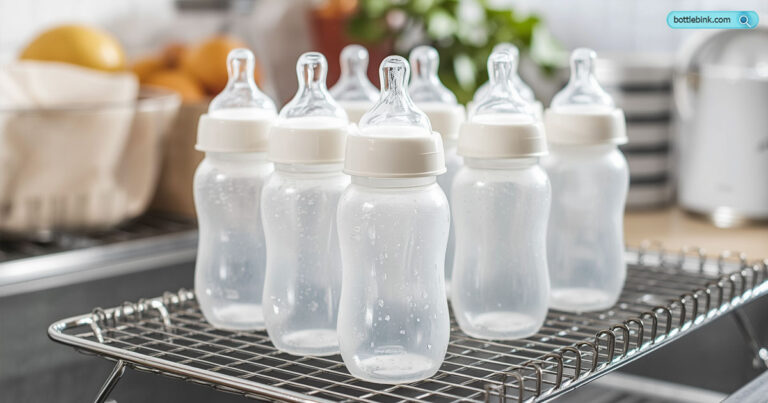
Place sterilized bottles on a clean drying rack. Use a rack that allows air to flow around the bottles. Avoid using towels or cloths to dry bottles. Towels can carry germs and leave lint inside the bottles. Let the bottles dry completely before storing them. Drying in a clean, open area reduces moisture and stops bacteria growth.
Proper Storage Tips
Store dry bottles in a clean, dry container or cupboard. Keep the storage area away from dust and dirt. Use a sealed container to protect bottles from germs. Avoid storing bottles near strong-smelling items to prevent odors. Label the storage container with the date of sterilization to track freshness. Use bottles within 24 hours of sterilizing for best safety.
Common Mistakes To Avoid
Sterilizing baby bottles is a vital step for your baby’s health. Many parents make simple mistakes that reduce sterilization effectiveness. Avoid these errors to keep bottles truly clean and safe.
Inadequate Sterilization Time
Not allowing enough time for sterilization is a common issue. Each method requires a specific time to kill germs. Rushing the process leaves bacteria alive. Follow the recommended duration strictly. For boiling, keep bottles in hot water for at least five minutes. Electric sterilizers usually take 6 to 12 minutes. Trust the time needed to ensure full sterilization.
Recontamination Risks
After sterilizing, bottles can get dirty again quickly. Touching bottles with dirty hands or placing them on unclean surfaces causes recontamination. Always use clean tongs or gloves to handle sterilized items. Store bottles in a clean, dry place with a lid. Avoid opening the container too often. Keep sterilized bottles separate from used ones. These steps help keep bottles sterile until feeding time.
Maintaining Bottle Hygiene
Keeping baby bottles clean is very important for your baby’s health. Germs and bacteria can grow if bottles are not cleaned well. Maintaining good hygiene helps prevent your baby from getting sick.
Proper care of bottles means cleaning and sterilizing them regularly. Also, check for any worn or damaged parts that can hide germs.
Regular Cleaning Before Sterilizing
Rinse bottles and nipples right after feeding. Use warm soapy water and a bottle brush to clean all parts. Clean every corner, including inside the nipples. Rinse well to remove soap. Dry bottles with a clean cloth or air dry.
Cleaning before sterilizing removes milk residue. This step makes sterilizing more effective. Do not skip this important part.
Replacing Worn Parts
Check bottles often for cracks or damage. Nipples can tear or become sticky over time. Replace nipples and bottles if damaged. Worn parts can hold bacteria even after cleaning. Using new parts keeps bottles safe and clean.

Credit: www.youtube.com
Credit: realendpoints.com
Frequently Asked Questions
How Often Should I Sterilize Baby Bottles?
Sterilize baby bottles before first use and regularly afterward. For newborns, sterilize daily. After 3 months, clean bottles thoroughly with hot soapy water.
What Are Safe Methods To Sterilize Baby Bottles?
Boiling, steam sterilizers, and microwave sterilizers are safe methods. Each effectively kills harmful bacteria. Choose based on convenience and availability.
Can I Sterilize Baby Bottles Without Special Equipment?
Yes, boiling bottles in water for 5 minutes is effective. Ensure bottles and nipples are fully submerged. This method is affordable and chemical-free.
How Long Should Baby Bottles Be Sterilized?
Sterilize bottles for at least 5 minutes when boiling. Follow manufacturer instructions for other methods. Proper timing ensures complete elimination of germs.
Conclusion
Sterilizing baby bottles keeps your baby safe from germs. Clean bottles help prevent infections and tummy troubles. Use simple methods like boiling, steam, or sterilizer machines. Always follow instructions for the best results. Regular sterilizing protects your baby’s health every day.
Keep bottles clean before every feeding time. It takes just a few minutes but matters a lot. Healthy habits start with clean bottles. Stay consistent and careful for your baby’s well-being.