Why Does My Baby Fall Asleep While Bottle Feeding? Surprising Reasons Revealed
Have you ever noticed your baby drifting off to sleep right in the middle of a bottle feeding? It can leave you wondering if something’s wrong or if your little one is just extra tired.
Understanding why your baby falls asleep while feeding can help you feel more confident and calm during those quiet moments. You’ll discover the surprising reasons behind this common behavior and learn simple tips to keep your baby alert and well-fed.
Keep reading—you might be closer to the answer than you think.
Common Causes Of Sleepiness During Bottle Feeding
Many babies fall asleep while bottle feeding. This happens for several normal reasons. Understanding these causes helps parents feel more confident. Babies are small and tired often. Feeding is a soothing activity that can make them sleepy quickly.
Below are some common reasons why babies might doze off during bottle feeding.
Milk Flow And Comfort
The flow of milk from the bottle affects baby’s alertness. If milk flows slowly, baby works harder to get milk. This effort can tire them out, causing sleepiness. A steady flow is comforting and helps baby relax. Bottle nipples come in different sizes to control milk speed. Choosing the right nipple helps baby feed comfortably without tiring.
Full Tummy Effect
When baby drinks enough milk, the tummy feels full. A full tummy signals the brain to relax. This feeling often leads to drowsiness. Babies may stop feeding and drift off to sleep naturally. Feeding is both nutrition and comfort for babies. It is common for them to fall asleep once satisfied.
Warmth And Security
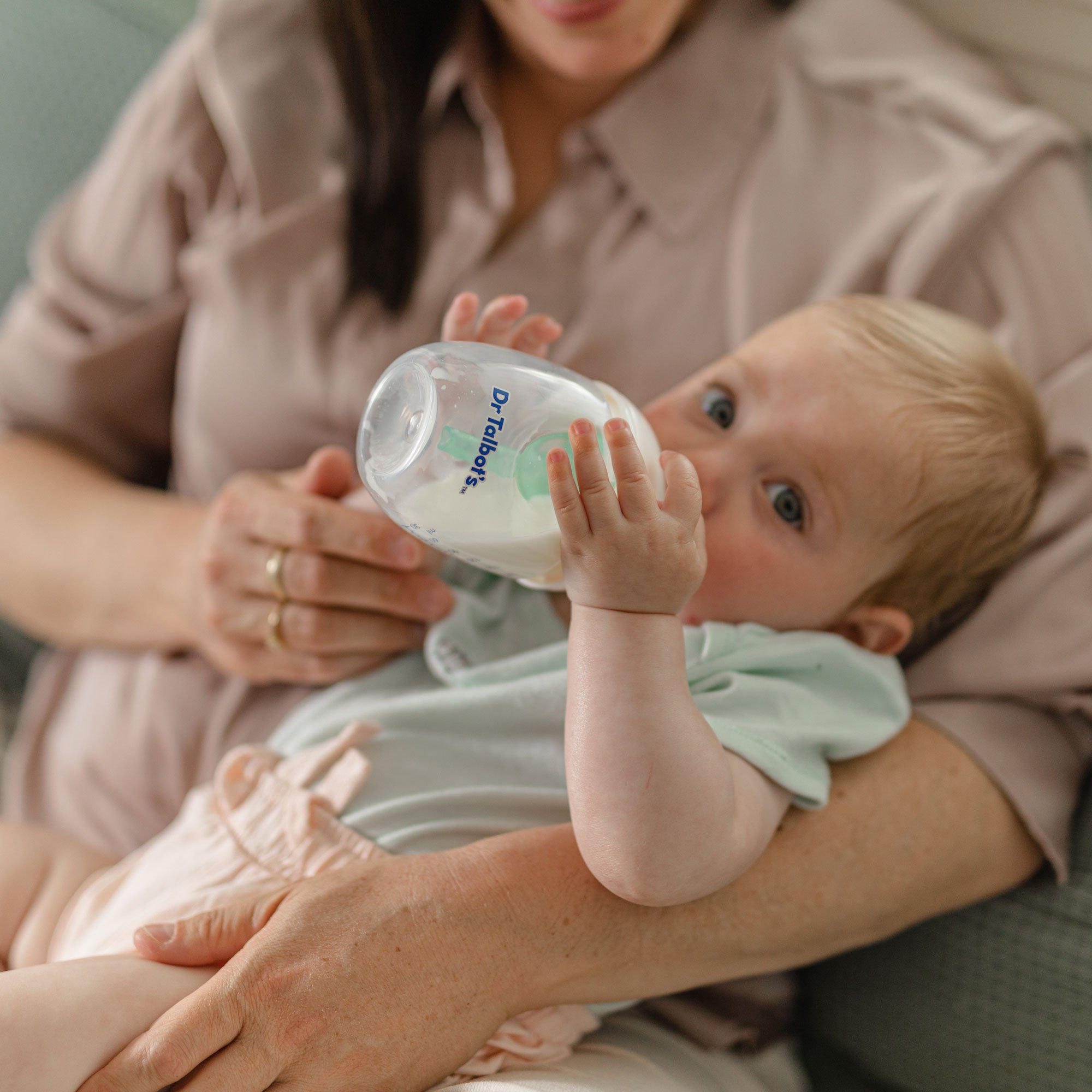
Holding baby close during feeding creates warmth and safety. The soft touch and warmth soothe baby’s body and mind. This calming effect encourages sleepiness. Being held tight reminds baby of the womb’s comfort. This sense of security helps baby relax deeply and fall asleep.

How Feeding Position Affects Sleepiness
Feeding position plays a big role in why babies fall asleep during bottle feeding. The way you hold your baby affects their comfort and alertness. Some positions make babies feel calm and sleepy. Others help keep them awake and focused on feeding. Understanding these positions helps you manage your baby’s feeding and sleep better.
Cradling And Relaxation
Cradling your baby in your arms creates a sense of safety. This close contact often makes babies feel calm and relaxed. The warmth and gentle rocking can lull them to sleep quickly. Many babies associate this position with comfort and rest. This is why they often doze off while feeding in a cradle hold.
Upright Vs Reclined Positions
Feeding your baby upright keeps them more alert. It helps with digestion and reduces gas discomfort. Babies in this position tend to stay awake longer during feeding. A reclined position, on the other hand, encourages relaxation. It can make babies more likely to fall asleep quickly. Choosing the right angle depends on your baby’s needs and feeding goals.
Baby’s Natural Sleep Patterns
Babies have unique natural sleep patterns that differ from adults. Their sleep cycles are shorter and lighter. This makes them fall asleep more easily during quiet moments, like feeding. Understanding these patterns helps explain why babies often doze off while bottle feeding.
Sleep Cycles In Infants
Infants experience sleep in short bursts. Each cycle lasts about 40 to 50 minutes. They spend more time in light sleep than deep sleep. Light sleep is easier to wake from. Babies may drift in and out of sleep many times during feeding.
Feeding As A Sleep Cue
Feeding creates a calm and cozy feeling for babies. The sucking motion soothes their nervous system. This often signals the brain to relax and prepare for sleep. Bottle feeding combines warmth, comfort, and nutrition, which encourages sleepiness.
Impact Of Feeding Speed And Technique
The way a baby feeds can change how quickly they get tired and fall asleep. Feeding speed and technique play a big role in this. A fast flow of milk may cause the baby to swallow too much air or feel overwhelmed. This can make them sleepy before they finish feeding.
On the other hand, feeding slowly and using the right technique helps the baby stay alert and enjoy the feed. It also helps with digestion and prevents choking. Understanding these differences can help parents feed their babies better.
Fast Vs Slow Milk Flow
Fast milk flow can flood the baby’s mouth. Babies may swallow air or cough. This can make feeding hard and tiring for them.
Slow milk flow lets babies control how much milk they take. They can pause and breathe easily. This keeps them awake longer and more comfortable.
Paced Bottle Feeding Benefits
Paced feeding copies natural breastfeeding rhythms. It lets babies take breaks and swallow slowly. This reduces the chance of them falling asleep too soon.
This method helps babies learn to feed better. It can stop them from overeating or gulping too fast. Babies stay calm and alert while feeding.
When To Watch For Feeding Issues
Babies often fall asleep while bottle feeding. This can be normal but sometimes signals feeding issues. Parents should watch for signs that may need attention. Early detection helps keep your baby healthy and comfortable.
Signs Of Overfeeding
Overfeeding can make babies sleepy and uncomfortable. Look for spit-up after feeding or frequent gas. A baby who seems restless or cries often may be overfed. Notice if your baby gains weight too quickly. These signs suggest the feeding amount might be too much.
Potential Feeding Difficulties
Feeding difficulties can cause a baby to fall asleep early. Watch for trouble sucking or swallowing. If your baby coughs or chokes during feeding, this is a concern. Slow weight gain or poor appetite may also indicate problems. These issues need advice from a healthcare provider.
Tips To Keep Baby Awake During Feeding
Keeping a baby awake during bottle feeding can be tricky. Babies often feel cozy and relaxed while feeding, which makes them want to sleep. Staying awake helps them feed better and get the nutrition they need. Use some gentle methods to keep your baby alert and interested in feeding.
Stimulating Baby Gently
Try soft touches on your baby’s hands or feet. A light tickle or stroke can wake them up without startling. Talking softly or singing can also catch their attention. Gently burp your baby during feeding to break their drowsiness. These small actions help your baby stay awake and feed fully.
Adjusting Feeding Environment
Keep the room bright but calm. Dim lights may make your baby sleepier. Use a cool cloth on their forehead or neck to refresh them. Feeding in an upright position can help keep your baby alert. Avoid warm, cozy blankets during feeding time. These simple changes create an active feeding space.
Credit: drtalbots.com
Frequently Asked Questions
Why Does My Baby Fall Asleep During Bottle Feeding?
Babies often fall asleep during bottle feeding because sucking is soothing. Feeding also releases calming hormones, making them relaxed and sleepy. Newborns tire quickly, so they may nod off while feeding.
Is It Normal For Babies To Sleep While Feeding?
Yes, it is normal. Feeding helps babies feel secure and comforted. The gentle sucking motion can easily lull them to sleep, especially in early months.
How Can I Keep My Baby Awake While Feeding?
Try burping your baby or gently rubbing their back. Changing the feeding position or dimming the lights can also help keep them alert during feeding.
Does Falling Asleep While Feeding Affect Baby’s Nutrition?
Sometimes, yes. If a baby falls asleep too soon, they may not get enough milk. Watch for slow feeding and wake your baby to ensure sufficient intake.
Conclusion
Babies often fall asleep while bottle feeding because feeding feels warm and soothing. The gentle sucking motion helps them relax and feel safe. This natural response shows that your baby is comfortable and content. Keep feeding times calm and quiet to support better sleep habits.
Remember, every baby is different; some may fall asleep more easily than others. Watching your baby’s cues helps you understand their needs better. Enjoy these peaceful moments—they build trust and comfort between you and your baby.