Can You Reuse Bottles for Second Baby? Safe Tips & Expert Advice
Are you wondering if you can reuse bottles for your second baby? It’s a question many parents face as they prepare for their new arrival.
You want what’s best for your little one, but you also want to be practical and save money where you can. Reusing bottles might seem like an easy choice, but there are important things you need to know before you do.
Keep reading to find out how to keep your baby safe while making smart choices for your growing family.
Risks Of Reusing Baby Bottles
Reusing baby bottles for a second child may seem practical. Still, it carries risks that parents must know about. These risks can affect your baby’s health and safety. Understanding these dangers helps you make safer choices.
Bacterial Contamination
Bacteria can grow inside bottles even after cleaning. Tiny cracks or scratches hold germs. These bacteria cause infections and stomach problems. Sterilizing bottles properly is hard if reused many times.
Material Degradation
Repeated washing and use wear down bottle materials. Plastic can become cloudy or cracked. Damaged bottles may leak or break during feeding. Old materials do not protect milk as well.
Chemical Leaching
Some plastics release harmful chemicals over time. These chemicals mix with milk and enter the baby’s body. Exposure to such chemicals may harm a baby’s growth. Using fresh, BPA-free bottles reduces this risk.
Types Of Bottles Suitable For Reuse
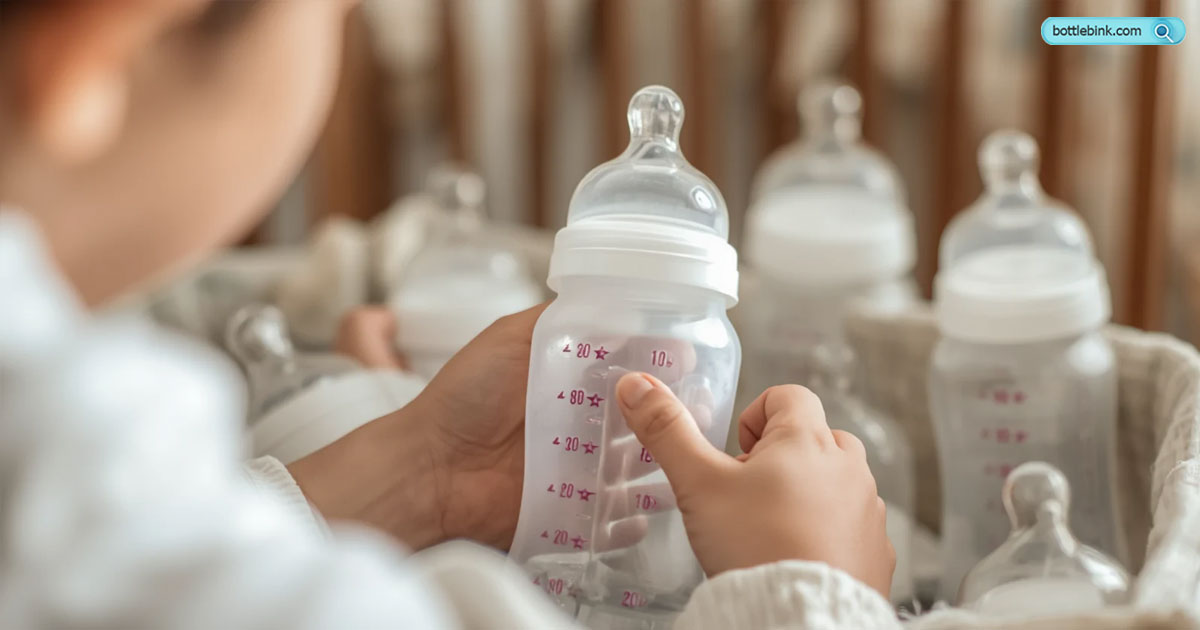
Choosing the right bottle for your second baby is important. Some bottles hold up well over time and can be safely reused. Others may wear out or lose quality. Knowing which types last longer helps you save money and keep your baby safe.
Here are common bottle types that are suitable for reuse. Each has its own benefits and care tips.
Glass Bottles
Glass bottles are strong and do not absorb smells or stains. They can be cleaned easily and reused many times. They are heavier and can break if dropped. Many parents like glass because it is natural and safe.
Bpa-free Plastic Bottles
BPA-free plastic bottles are lighter and less likely to break. They are made without harmful chemicals. These bottles are good for reuse but should be checked for cracks or scratches. Replace them if any damage appears to keep your baby safe.
Silicone Bottles
Silicone bottles are soft and flexible. They resist heat and do not break easily. Silicone is also easy to clean and does not hold odors. These bottles are a good choice for reuse and are gentle for babies to hold.
Cleaning And Sterilizing Methods
Cleaning and sterilizing baby bottles is very important before reuse. Proper methods kill germs and keep your baby safe. You must remove all milk residue first. Then choose a cleaning method that suits your needs. Here are three common ways to clean and sterilize bottles.
Boiling Water Technique
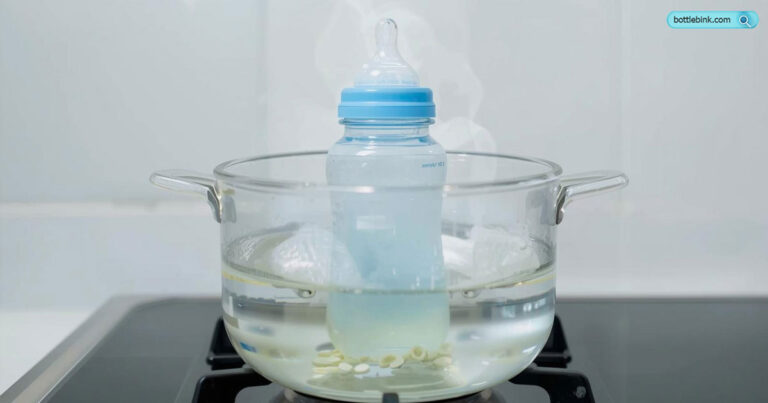
Boiling water is a simple and effective way to sterilize bottles. Fill a pot with water and bring it to a boil. Submerge all bottle parts completely. Boil for at least five minutes. Remove carefully with clean tongs. Let them air dry on a clean towel. This method kills most bacteria and germs.
Steam Sterilizers
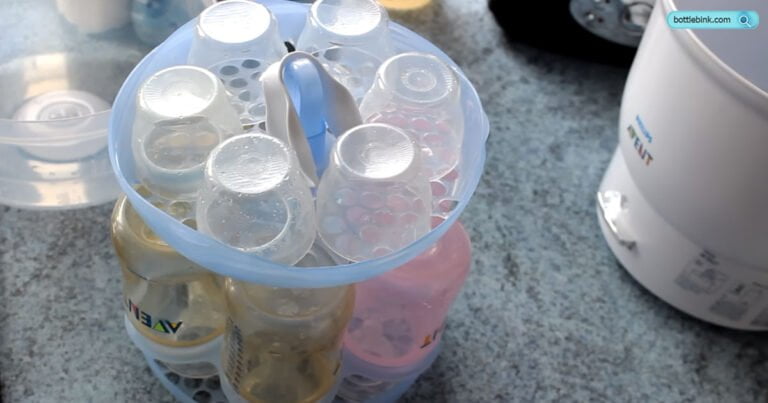
Steam sterilizers use hot steam to clean bottles quickly. Place bottles and parts inside the device. Add water as instructed. Turn it on and wait for the cycle to finish. The steam kills bacteria without chemicals. This method is fast and easy to use daily.
Chemical Sterilization
Chemical sterilization involves soaking bottles in a special solution. Use sterilizing tablets or liquid made for baby bottles. Follow package instructions for mixing and timing. Soak bottles fully, then rinse with boiled water. This method works well when other options are unavailable. Make sure no chemical taste remains before use.
Signs It’s Time To Replace Bottles
Knowing when to replace baby bottles is important for safety and hygiene. Bottles can wear out over time. Using old bottles for a second baby may cause health risks. Watch for clear signs that show it is time to get new bottles.
Cracks And Discoloration
Cracks in bottles can trap bacteria and germs. Discoloration may mean the plastic is breaking down. Both cracks and color changes make bottles unsafe. Replace bottles if you see these signs.
Odor Retention
Sometimes bottles keep bad smells even after washing. This means bacteria might still be inside. Smelly bottles can affect your baby’s feeding. If the odor won’t go away, it is time to replace the bottle.
Worn Nipples
Nipples can become soft, sticky, or cracked over time. Worn nipples may cause leaks or choking hazards. They also lose their shape, making feeding hard. Always check nipples and replace them if worn out.
Expert Tips For Safe Bottle Reuse
Reusing bottles for a second baby can save money and reduce waste. Safety is the top priority. Follow expert tips to keep bottles clean and safe for reuse. These tips help protect your baby’s health and ensure proper hygiene.
Proper Storage Practices
Store bottles in a clean, dry place. Avoid damp areas where mold can grow. Keep bottles covered to protect from dust and germs. Use airtight containers or sealed bags. Store bottles away from direct sunlight or heat. This prevents damage and keeps bottles safe.
Regular Inspection
Check bottles before each use. Look for cracks, scratches, or discoloration. Damaged bottles can harbor bacteria and are unsafe. Replace any bottle showing wear or damage. Inspect nipples for tears or stickiness. Clean and dry bottles thoroughly after each use.
Avoiding Cross-contamination
Wash hands before handling bottles. Use separate cleaning tools for bottles and other items. Rinse bottles well to remove all milk residue. Never mix used bottles with clean ones. Keep bottles for one baby separate from others. This reduces the risk of spreading germs.
Alternatives To Reusing Bottles
Reusing bottles for a second baby may seem practical but has some risks. Old bottles can wear out or hold bacteria. Many parents want safer, cleaner options. Here are some good alternatives to reusing bottles for your new baby.
Investing In New Bottles
Buying new bottles ensures they are clean and safe. New bottles have no cracks or scratches where germs hide. They come with fresh nipples that fit perfectly. This choice gives peace of mind for feeding time.
Eco-friendly Options
Eco-friendly bottles reduce waste and protect the planet. These bottles use safe, non-toxic materials like glass or BPA-free plastic. They can be reused many times without breaking down. Eco-friendly choices help keep your baby safe and the earth healthy.
Bottle Sharing Considerations
Sharing bottles between siblings is possible but needs care. Always clean bottles thoroughly before use. Avoid sharing nipples without replacing them. This prevents the spread of germs and keeps each baby healthy.
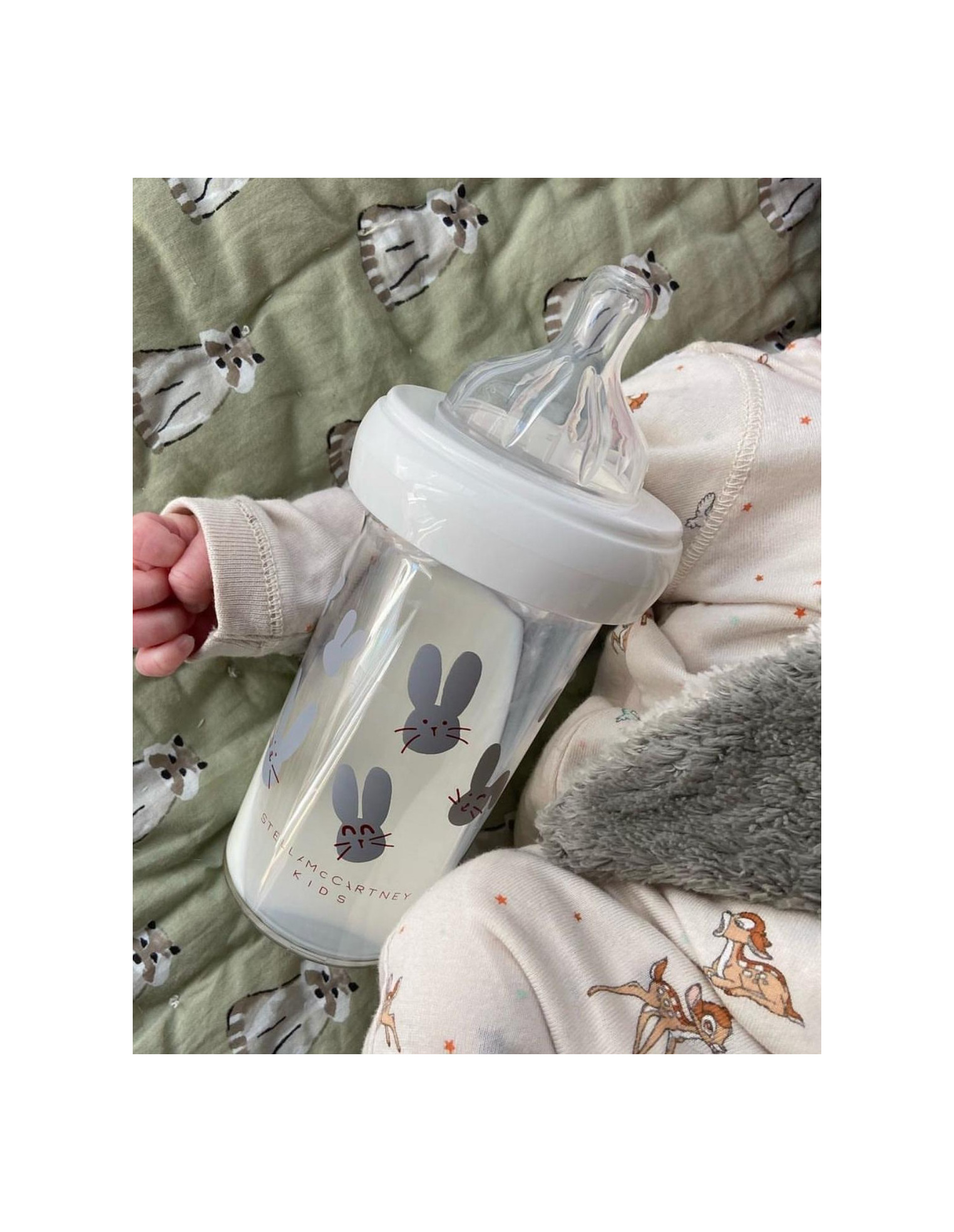
Credit: issibrasil.com.br
Frequently Asked Questions
Can I Safely Reuse Baby Bottles For My Second Child?
Yes, you can reuse baby bottles if they are thoroughly cleaned and sterilized. Check for cracks or damage before reuse. Damaged bottles can harbor bacteria and pose safety risks. Always follow manufacturer guidelines for cleaning and sterilization to ensure your second baby’s safety.
How To Properly Clean Bottles For A Second Baby?
Wash bottles with warm, soapy water immediately after use. Use a bottle brush to remove residue from hard-to-reach areas. Sterilize bottles by boiling or using an electric sterilizer. Proper cleaning prevents bacterial growth and ensures safe feeding for your second baby.
Are Reusable Bottles Safe For Newborns?
Reusable bottles are safe if they meet safety standards and are well maintained. Avoid BPA-containing plastics and opt for BPA-free or glass bottles. Regular cleaning and sterilization are essential to keep bottles hygienic for newborn feeding.
When Should I Replace Baby Bottles Before Reuse?
Replace bottles if you notice cracks, discoloration, or worn nipples. These signs indicate wear that can affect safety and hygiene. Regularly inspect bottles to ensure they remain safe for your second baby’s use. Always prioritize your baby’s health and safety.
Conclusion
Reusing bottles for your second baby can save money and reduce waste. Clean them well with hot, soapy water before use. Check for cracks or damage that could harm your baby. Avoid plastic bottles with BPA to keep feeding safe.
Replace nipples regularly to prevent germs. Trust your instincts and prioritize your baby’s health. Simple care makes a big difference. Reusing bottles is possible but needs caution and good hygiene. Your baby deserves the best, even with reused items. Choose safety first for happy feeding moments.