Can You Reuse Bottle Nipples for Second Baby? Essential Tips
Are you wondering if you can reuse bottle nipples for your second baby? It’s a common question many parents face as they try to save time and money.
But before you simply reach for those old nipples, there are important things you need to know. Your baby’s health and safety come first, and using the right feeding gear plays a big role. Keep reading to discover what experts say, what risks you might be taking, and how to make the best choice for your growing family.
This simple knowledge could make a big difference for your little one’s feeding experience.
Safety Of Reusing Bottle Nipples
Reusing bottle nipples for a second baby raises important safety questions. Parents want to know if these nipples stay safe and clean after use. Understanding the risks helps keep your baby healthy.
Material Durability
Bottle nipples are made from silicone or latex. Silicone is strong and lasts longer than latex. Latex can break down faster and develop cracks. Cracks can cause leaks or choking hazards. Over time, nipples lose shape and softness. Using old nipples may affect feeding comfort and safety.
Hygiene Concerns
Used nipples can hold bacteria even after washing. Tiny cracks and scratches trap dirt and germs. Sterilizing helps but may not remove all bacteria. Germs can cause infections or stomach problems. It is hard to check if nipples are clean enough just by looking.
Potential Health Risks
Old nipples can expose babies to harmful bacteria. This may lead to colic, diarrhea, or mouth infections. Damaged nipples risk choking from small pieces breaking off. Allergies may worsen if latex nipples degrade. Choosing new nipples lowers health risks for your baby.
Signs You Should Replace Nipples
Knowing when to replace bottle nipples is key for your baby’s health. Old or damaged nipples can cause feeding problems or safety risks. Watch for clear signs that a nipple no longer works well. These signals help you decide if it’s time for a new one.
Wear And Tear Indicators
Check nipples for cracks, holes, or tears. These damages let milk flow too fast or leak. Nipples with visible damage cannot be safely reused. Also, look for sticky or sticky-feeling surfaces. This can mean the material is breaking down.
Changes In Texture Or Shape
Feel the nipple to detect softness or hardness changes. Nipples should stay soft and flexible. If they become stiff or sticky, replace them. Shape changes, like flattening or curling, affect feeding. A misshaped nipple can cause choking or discomfort.
Discoloration And Odors
Discoloration often means bacterial growth or material wear. Dark spots or yellowing nipples need replacement. Bad smells that don’t wash away signal bacteria buildup. Using nipples with odors risks baby’s health and appetite.
Cleaning And Sterilizing Tips
Keeping bottle nipples clean and safe is very important for your baby’s health. Proper cleaning and sterilizing remove germs and prevent infections. This section shares easy tips to clean, sterilize, and store nipples for your second baby safely.
Effective Cleaning Methods
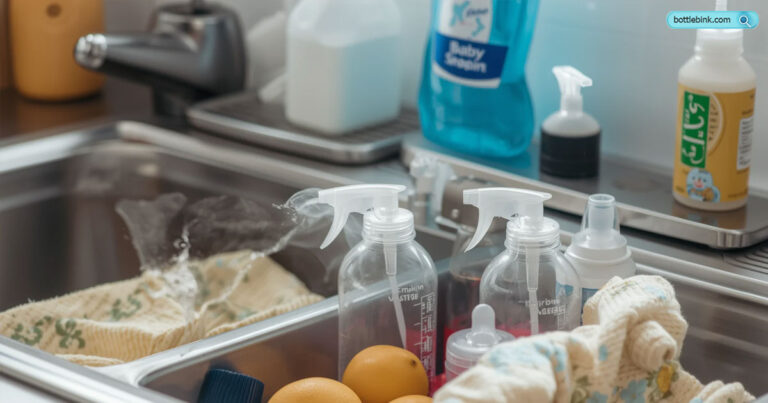
Start by rinsing nipples with warm water right after use. Use a soft brush to clean inside and outside. Mild soap works best to remove milk residue. Avoid harsh chemicals or strong detergents. Rinse nipples thoroughly to remove all soap. Clean nipples after every feeding to keep them fresh.
Sterilization Techniques
Boiling is a simple way to sterilize nipples. Boil them in water for at least five minutes. Use a microwave steam sterilizer for quick and easy cleaning. Electric sterilizers also kill bacteria effectively. Follow the device instructions carefully for best results. Sterilize nipples before first use and regularly after.
Storage Best Practices
Store clean nipples in a dry, clean container. Use a sealed box or bag to keep dust away. Avoid leaving nipples in damp places to stop mold growth. Keep nipples away from direct sunlight. Label storage containers with the date of sterilization. Replace nipples if they show signs of wear or damage.
Choosing The Right Nipples For Your Baby
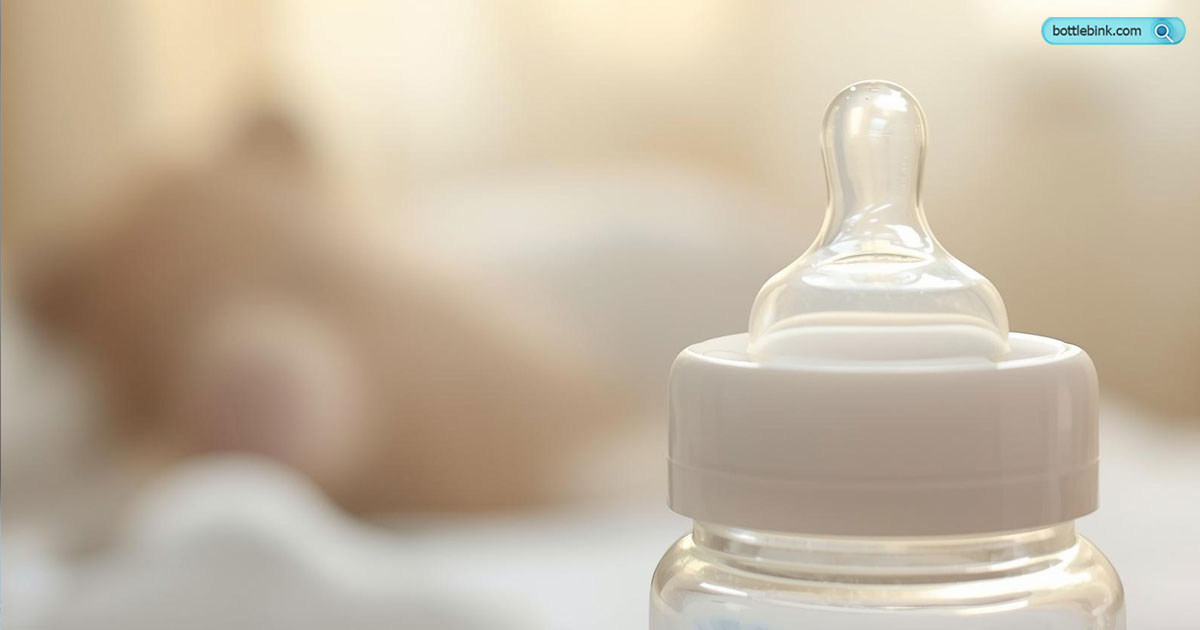
Choosing the right bottle nipples is important for your baby’s feeding comfort. Each baby has different needs. Picking the right nipple helps your baby feed well and stay happy. Consider the material, flow rate, and allergies before making a choice.
Material Options
Bottle nipples come in silicone and latex. Silicone is firmer and lasts longer. Latex is softer but can wear out fast. Silicone is easy to clean and resists odors. Latex feels more natural but may cause allergies. Choose a material that suits your baby’s comfort and safety.
Flow Rates And Sizes
Flow rate means how fast milk comes out of the nipple. Newborns need a slow flow to avoid choking. Older babies may need medium or fast flow nipples. Nipples come in different sizes. Use the size that fits your baby’s mouth well. Changing flow rates helps your baby feed without trouble.
Allergy Considerations
Some babies are allergic to latex. Watch for rash or fussiness after feeding. If your baby has allergies, choose silicone nipples. Always check for any signs of irritation. Keep a spare nipple in case of allergy reactions. Safety comes first in feeding choices.
Environmental And Cost Benefits
Reusing bottle nipples for a second baby has clear environmental and cost benefits. It helps reduce waste and saves money for families. Choosing to reuse also supports a more sustainable lifestyle. These benefits make reusing a smart choice for many parents.
Reducing Waste
Throwing away bottle nipples creates unnecessary trash. Plastic waste harms the environment and takes years to break down. Using nipples again lowers the amount of plastic sent to landfills. This small action adds up and helps protect the planet.
Saving Money
New bottle nipples can be expensive, especially with frequent use. Reusing clean and safe nipples cuts down on these costs. Families can spend less on baby supplies and use money for other needs. This simple step brings real savings.
Sustainable Parenting Choices
Choosing to reuse baby items supports a green lifestyle. It shows care for the environment and future generations. Sustainable habits teach children the value of saving resources. Parents can make eco-friendly decisions that feel good and make sense.
Credit: gprint.ca
FAQs About Can You Reuse Bottle Nipples for Second Baby
Can Bottle Nipples Be Safely Reused For A Second Baby?
Bottle nipples can be reused if they are in good condition and properly cleaned.
How To Tell If A Bottle Nipple Is Still Safe To Use?
Check for cracks, tears, or discoloration; if found, replace the nipple immediately.
What Cleaning Method Is Best For Reusing Bottle Nipples?
Use hot soapy water or a dishwasher to clean nipples thoroughly before reuse.
Can Old Bottle Nipples Cause Health Risks For Babies?
Old or damaged nipples can harbor bacteria, which may cause infections.
How Often Should Bottle Nipples Be Replaced For Safety?
Replace bottle nipples every 1-3 months or sooner if damaged.
Is Sterilizing Necessary Before Reusing Bottle Nipples?
Sterilizing kills germs and is recommended to keep nipples safe for babies.
Can Different Brands Of Nipples Be Mixed When Reusing?
Mixing brands is okay if the nipple fits the bottle and is safe.
Do Bottle Nipples Lose Shape After Multiple Uses?
Yes, nipples can lose shape and affect feeding, so regular checks are important.
Conclusion
Choosing to reuse bottle nipples requires careful thought. Safety and hygiene come first. Old nipples may wear out or carry germs. Always check for cracks or damage before reuse. Cleaning them well is a must. New nipples offer better safety and comfort.
Keep your baby’s health as the top priority. Sometimes, buying new ones is the smarter choice. Trust your instincts and choose what feels right. Your baby deserves the best, every time.