How to Clean Baby Bottles After Each Use: A Step-by-Step Guide
Cleaning baby bottles properly is an essential task for every parent. It ensures that harmful bacteria, germs, and other contaminants do not affect your baby’s health. Babies have delicate immune systems, which makes it even more important to maintain cleanliness in their feeding equipment. While it may seem like a tedious task, cleaning your baby’s bottles after each use doesn’t have to be complicated. By following the right cleaning techniques and maintaining a routine, you can ensure your baby’s bottles are sanitized and safe for use. In this guide, we will explore the necessary steps and best practices to clean baby bottles after each use.
Why Proper Cleaning of Baby Bottles is Important
The safety of your baby is always a priority. Bottles that are not cleaned properly can harbor harmful bacteria and mold, which may lead to health problems such as stomach infections and discomfort. Furthermore, improper cleaning of baby bottles may cause the milk residue to build up inside the bottle, which can create unpleasant odors and affect the taste of milk or formula.
Risks of Not Cleaning Baby Bottles Properly
- Bacterial Growth: Milk, formula, and even water left in a bottle can be an ideal breeding ground for bacteria, leading to potential infections in your baby’s digestive system.
- Mold Development: Bottles that are not dried properly may develop mold, which can be difficult to remove.
- Contamination of Milk or Formula: Any residual milk or formula in the bottle can contaminate the next feeding, which could lead to health issues.
Materials Needed for Cleaning Baby Bottles
Before you begin cleaning your baby’s bottles, ensure that you have the following materials at hand:
- Bottle Brush: A soft-bristled brush specifically designed for cleaning bottles is crucial for reaching all areas inside the bottle, including the bottom and the nipple.
- Dish Soap: Use mild, baby-safe dish soap that is free from harsh chemicals and fragrances.
- Warm Water: Warm water helps break down milk residues effectively.
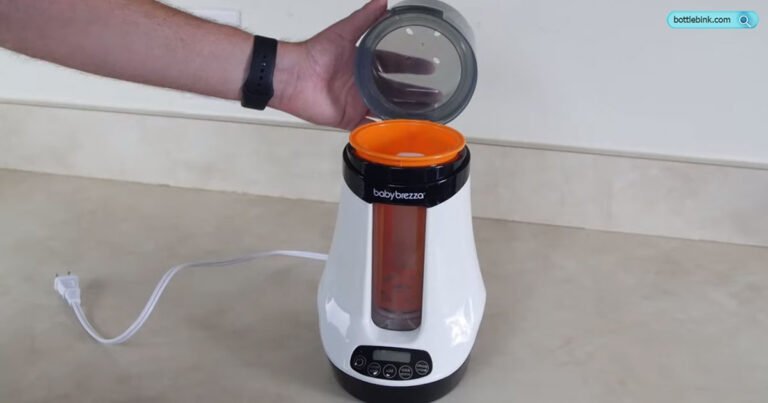
- Sterilizer (Optional): For added protection, sterilize the bottles regularly to kill any remaining germs or bacteria.
- Drying Rack or Cloth: A clean drying rack or a cloth helps to dry the bottles thoroughly after washing.
- Bottle Warmer or Dishwasher (Optional): Some parents prefer using a bottle warmer or dishwasher for cleaning bottles.
Steps to Clean Baby Bottles After Each Use
1. Disassemble the Bottle
The first step in cleaning baby bottles is to disassemble the bottle completely. Remove the nipple, collar, and any other parts such as valves, rings, and the bottle’s base. This is crucial as milk and formula can get trapped in hard-to-reach places, which could result in bacterial growth.
2. Rinse the Bottle Immediately
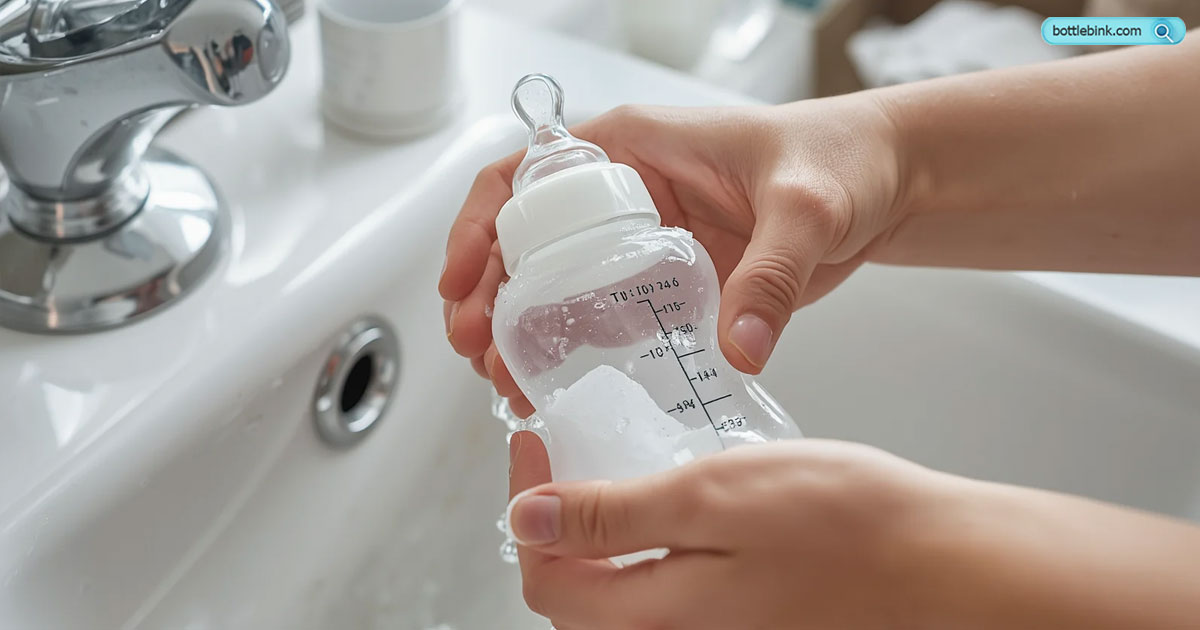
After each use, rinse the bottle immediately with warm water to remove any leftover milk or formula. This will prevent milk from drying and sticking to the bottle, making it easier to clean later. Rinsing also helps to minimize bacteria buildup.
3. Use a Bottle Brush and Dish Soap
Once the bottle is rinsed, apply a small amount of mild dish soap to a bottle brush. Gently scrub the inside of the bottle, paying close attention to the bottom and the areas around the nipple. The brush will help remove any milk residue, preventing buildup.
Table: Recommended Bottle Brushes and Their Features
| Bottle Brush Type | Features | Best For |
|---|---|---|
| Silicone Bottle Brushes | Soft bristles, gentle on baby bottles | Gentle cleaning of delicate bottles |
| Sponge Bottle Brushes | Absorbent sponge head | Deep cleaning and scrubbing |
| Standard Bottle Brushes | Firm bristles for thorough cleaning | Quick cleaning for daily use |
4. Clean the Nipple and Other Parts
After cleaning the bottle, focus on the nipple and any other small parts like the collar or valves. These can trap milk and bacteria. Use the bottle brush to clean the nipple, and if necessary, use a smaller brush or a pipe cleaner to clean the small holes or crevices.
5. Rinse Thoroughly
Once all parts of the bottle have been scrubbed, rinse everything thoroughly with warm water. Make sure there is no soap residue left on any part of the bottle or nipple. Soap residue can irritate your baby’s skin and upset their stomach.
6. Dry the Bottle
After rinsing, place the bottle and its components on a clean drying rack. Ensure that the bottle is completely dry before storing it or using it again. A drying rack is ideal as it allows the bottle to air dry properly. If you are using a cloth, ensure it is clean and free from any contaminants.
7. Sterilization (Optional but Recommended)
Sterilizing baby bottles is a good practice, especially for newborns or if your baby has a weakened immune system. There are several methods for sterilizing bottles:
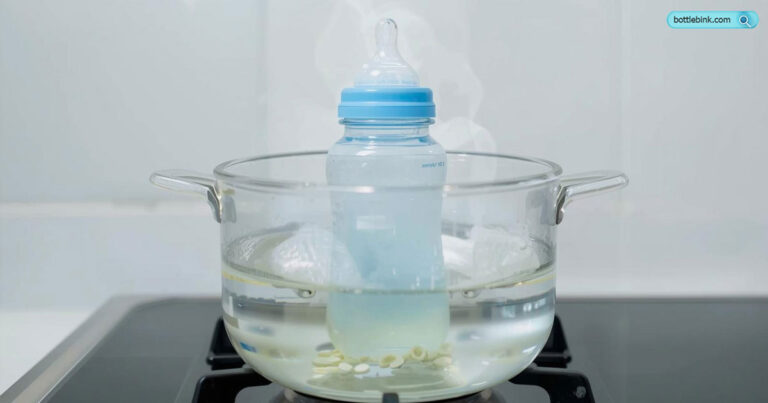
- Boiling: Boil the bottles in a large pot of water for 5-10 minutes.
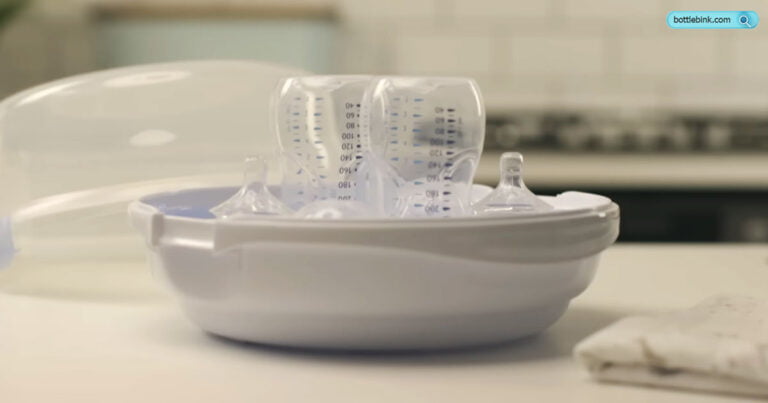
- Steam Sterilizer: Use an electric steam sterilizer to sterilize the bottles quickly and efficiently.
- Dishwasher Sterilization: If your dishwasher has a sterilizing setting, you can place the bottles in the dishwasher for thorough cleaning.
Best Practices for Storing Clean Baby Bottles
Once your baby bottles are cleaned and dried, proper storage is important. You can store the clean bottles in a closed cabinet or drawer. Ensure that the storage area is dry and clean, preventing any contamination.
Ideal Storage Tips:
- Store in a Clean, Dry Area: Avoid placing the bottles in damp or dirty spaces.
- Avoid Storing in Humid Areas: Humidity can cause mold to form inside the bottles.
- Use Bottle Caps: If you’re storing bottles for later use, ensure they are covered with a clean, dry bottle cap to keep them sterile.
How Often Should You Sterilize Baby Bottles?
While it’s essential to clean your baby’s bottles after each use, sterilization can be done occasionally. In the first few months, it’s recommended to sterilize bottles every day or at least once a week, especially if your baby was born prematurely or has a weakened immune system. As your baby grows, you may reduce the frequency of sterilization.
Common Mistakes to Avoid When Cleaning Baby Bottles
1. Not Cleaning Immediately
It’s essential to clean the bottles as soon as possible after each use. Letting milk or formula sit for hours can make it harder to clean the bottle and can lead to bacteria growth.
2. Using Harsh Chemicals
Avoid using strong chemicals or heavily scented soaps to clean the bottles. They can leave harmful residues that might irritate your baby’s skin or stomach.
3. Not Cleaning the Nipple Properly
The nipple can trap milk, so it’s vital to clean it thoroughly. Neglecting to clean it properly can lead to bacteria growth, which could be harmful.
4. Improper Drying
Allowing bottles to air dry is the best method. However, if they are not dried properly, mold or mildew could form. Make sure the bottle is fully dry before storing it.
Frequently Asked Questions (FAQ)
1. How can I sterilize baby bottles without boiling water?
You can use an electric steam sterilizer or place the bottles in a dishwasher with a sterilizing cycle.
2. Can I use regular dish soap to clean baby bottles?
It’s best to use a mild, baby-safe dish soap to avoid harsh chemicals that could irritate your baby’s stomach.
3. How often should I sterilize baby bottles?
You should sterilize baby bottles at least once a day in the first few months, and then you can reduce the frequency as your baby grows.
4. Can I clean baby bottles with hot water?
Yes, you can clean the bottles with warm water, but avoid using boiling water, as it may damage the plastic or rubber parts of the bottle.
5. Should I clean the bottle nipples every time?
Yes, you should clean the bottle nipples thoroughly after every use to ensure there is no milk residue trapped inside.
Conclusion: The Importance of Proper Cleaning
In conclusion, keeping your baby’s bottles clean is not only important for maintaining hygiene but also for ensuring your baby’s overall health. By following the right cleaning steps and sterilization techniques, you can help prevent the growth of harmful bacteria and mold in your baby’s bottles. Consistency is key, so make sure to clean and sterilize the bottles after every use. If you follow the guidelines mentioned in this article, you will have peace of mind knowing that your baby is using safe, clean bottles every time they feed.