Are Silicone Baby Bottles Safe? Discover the Truth
Silicone baby bottles are safe but may leach chemicals at high temperatures or prolonged contact with fatty substances. Glass is a considered the safest material for baby bottles due to minimal leeching risks.
Silicone bottles offer a safe alternative to plastic, with food-grade silicone being a non-toxic polymer made from silica. These bottles are lightweight, flexible, and durable, making them ideal for eco-friendly baby products. Unlike plastic, silicone can withstand extreme temperatures without leaching harmful chemicals, ensuring that your baby’s milk remains uncontaminated.
While silicone bottles are generally safer than plastic, it’s important to be cautious with their usage to avoid any potential leeching at high temperatures. For parents looking for a safe and eco-friendly option, silicone baby bottles are a reliable choice.
The Safety Of Silicone Baby Bottles
When it comes to choosing baby bottles, safety is of utmost importance for parents. One popular option that has gained attention in recent years is silicone baby bottles. In this article, we will explore the safety of silicone baby bottles and discuss important factors to consider when choosing the right bottle for your little one.
What Is Silicone?
Silicone is a non-toxic polymer made primarily from silica, a naturally occurring element found in sand. It is lightweight, soft like rubber, and highly durable. Unlike plastic, silicone does not contain harmful toxins such as BPA, BPS, phthalates, or microplastics. This makes it a great choice for eco-friendly baby bottles.
Silicone baby bottles are known for their ability to withstand extreme temperatures, making them safe for both heating and freezing. Unlike plastic, silicone does not leach harmful chemicals into the milk or formula, ensuring that your baby’s meals remain uncontaminated.
Potential Risks Of Baby Bottles
While silicone baby bottles are generally considered safe, there are a few potential risks that parents should be aware of. It is worth mentioning that these risks are minimal and can be mitigated with proper usage and care.
- Possible Chemical Leaching: Synthetic chemicals can leach from silicone bottles at high temperatures or when in extended contact with high-fat substances such as breast milk and formula. It is important to follow the manufacturer’s guidelines for safe usage and avoid exposing the bottles to extreme heat.
- Discoloration and Staining: Over time and with heavy use, silicone bottles may discolor or stain. While this may not affect the safety or functionality of the bottle, some parents may find it aesthetically unappealing. Regular cleaning and proper storage can help minimize discoloration.
Despite these potential risks, silicone baby bottles remain a safer alternative to plastic bottles. Their non-toxic nature and durability make them a popular choice among parents who prioritize their baby’s health and well-being.
In conclusion, silicone baby bottles offer a safe option for feeding your little one. With proper care and usage, these bottles can provide a reliable and toxin-free feeding experience. Remember to always choose high-quality silicone baby bottles from reputable brands to ensure the utmost safety for your baby.
Material Composition Of Silicone Bottles
Silicone baby bottles are a safe option as they are made from food-grade silicone, a non-toxic polymer primarily composed of silica (sand). Unlike plastic, silicone does not leach harmful chemicals when exposed to heat or freezing, making it an eco-friendly and durable choice for baby bottles.
Silicone Vs. Other Materials
When it comes to choosing baby bottles, one important consideration is the material composition. Silicone has emerged as a popular alternative to traditional plastic bottles due to its safety and durability. Let’s compare silicone with other materials commonly used for baby bottles:
| Material | Advantages | Disadvantages |
|---|---|---|
| Glass | – Considered the safest material, as it doesn’t leech anything into milk or formula | – Prone to breakage if mishandled |
| Plastic | – Lightweight and affordable | – May contain harmful toxins like BPA, BPS, and phthalates |
Chemical Properties Of Silicone
Silicone is a food-grade polymer made mostly from silica (sand), which is lightweight, soft like rubber, and doesn’t break easily. Here are some important chemical properties of silicone:
- Silicone is non-toxic and doesn’t contain harmful chemicals like BPA, BPS, or phthalates.
- It can withstand high temperatures without leaching harmful substances into the milk or formula.
- Unlike plastic, silicone doesn’t discolor or stain over time.
- It is highly durable and can resist repeated use and cleaning.
In conclusion, when it comes to choosing a baby bottle, silicone offers a safe and reliable option. Its food-grade composition and chemical properties make it a great choice for eco-conscious parents looking for a non-toxic and durable alternative to plastic bottles.
Health Implications
When it comes to the health implications of using silicone baby bottles, several aspects should be carefully considered, especially in relation to infant health. Understanding the impact on infant health and potential allergies is crucial in making an informed decision when selecting baby bottles.
Impact On Infant Health
Silicone baby bottles are a popular choice for parents due to their durability and safety features. These bottles are free from harmful toxins such as BPA, BPS, and phthalates, making them a reliable option for your baby’s health. The non-toxic nature of silicone ensures that there is minimal risk of chemical leaching into the milk, safeguarding your infant’s well-being.
Potential Allergies
While silicone is generally considered safe for most babies, there is a small possibility of allergic reactions in sensitive individuals. It is essential to monitor your baby for any signs of allergies when introducing silicone bottles, although such instances are rare. To prevent potential allergies, consider conducting a patch test before regular use.

Credit: www.walmart.com
Safety Standards And Regulations
When it comes to baby bottles, safety standards and regulations play a crucial role in ensuring the well-being of infants. Regulatory bodies and compliance requirements help maintain the quality and safety of silicone baby bottles, providing peace of mind for parents.
Regulatory Bodies
Regulatory bodies such as the Food and Drug Administration (FDA) and the Consumer Product Safety Commission (CPSC) set guidelines and standards for baby bottle manufacturing. These bodies oversee the safety and quality of materials used, ensuring that silicone baby bottles meet the necessary safety requirements.
Compliance Requirements
Manufacturers must comply with stringent safety and quality standards to ensure that silicone baby bottles are safe for use. Compliance requirements include testing for leaching of harmful chemicals, durability, and heat resistance. These measures guarantee that the bottles are free from toxins and safe for babies to use.
Benefits Of Silicone Baby Bottles
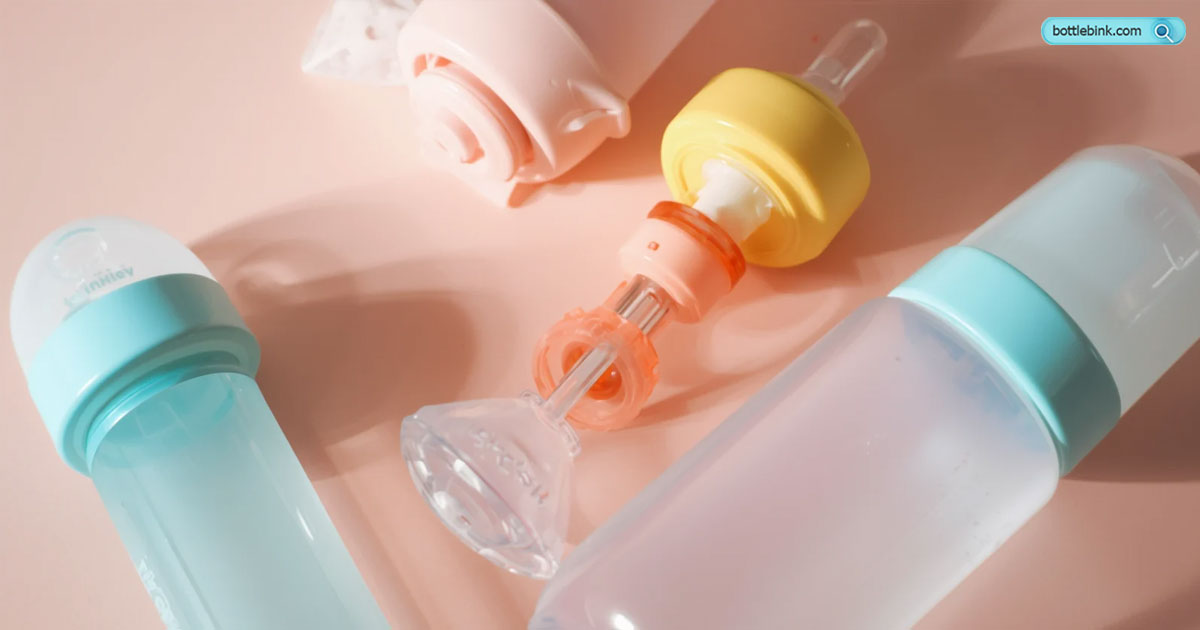
Silicone baby bottles are a safe and durable option for feeding infants. Made from food-grade silicone, these bottles are free from harmful toxins and can withstand heating and freezing without leaching any chemicals. They are also lightweight and flexible, making them a suitable choice for eco-conscious parents concerned about the safety of plastic bottles.
Durability
Silicone baby bottles are known for their exceptional durability. Unlike plastic bottles that may crack or break easily, silicone bottles are designed to withstand the test of time. Made from a non-toxic polymer, these bottles are soft like rubber and do not break, making them a reliable choice for parents. Whether they are dropped, thrown, or squeezed, silicone bottles will not shatter or become damaged, ensuring a long lifespan for your baby’s feeding essentials.
Ease Of Cleaning
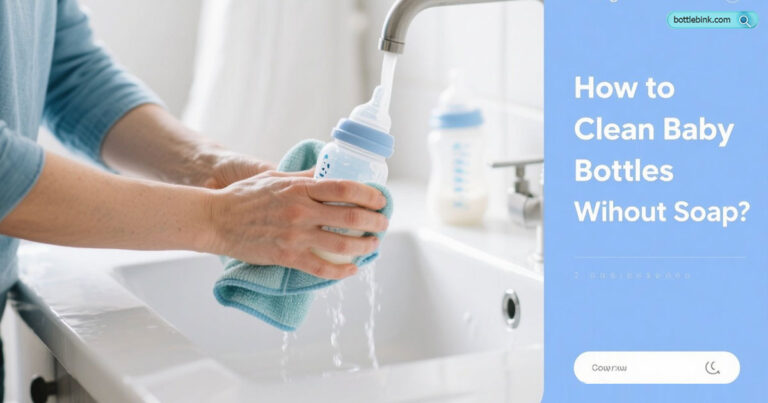
Cleaning baby bottles can be a tedious task for parents, but silicone bottles make the process much easier. With their smooth and non-porous surface, these bottles are resistant to stains and odors. You can simply wash them with warm soapy water or place them on the top rack of your dishwasher for thorough cleaning.
Unlike bottles with intricate parts or narrow openings, silicone bottles have a wide-mouth design, allowing for effortless cleaning and easy access to all areas. This means no more struggling with bottle brushes or spending excessive time scrubbing hard-to-reach corners.
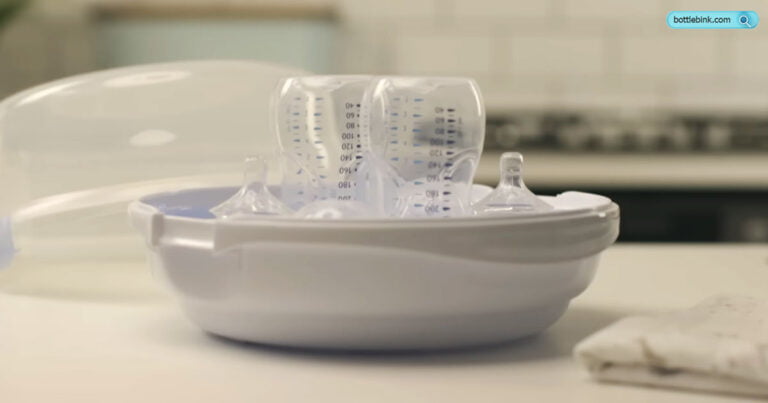
To maintain the cleanliness and hygiene of silicone bottles, it is recommended to sterilize them regularly, especially for newborns or babies with weak immune systems. You can use steam sterilizers, boiling water, or even microwave sterilization bags specifically designed for baby bottles. The heat-resistant nature of silicone ensures that the bottles can endure these sterilization methods without any damage or leaching of harmful chemicals.
Finally, silicone baby bottles offer a range of benefits, including durability and ease of cleaning. Their long-lasting nature ensures that they can endure the inevitable rough handling that comes with caring for a baby.
Additionally, their smooth surface and wide-mouth design make cleaning a breeze, saving parents valuable time and effort. By choosing silicone baby bottles, parents can provide a safe and convenient feeding solution for their little ones.
Usage And Maintenance
Silicone baby bottles offer a safe and durable option for feeding your little one. Easy to clean and heat-resistant, they are a popular choice for parents concerned about harmful toxins in plastic bottles. Regular maintenance will ensure long-lasting use and peace of mind.
Proper Usage Guidelines
– Only use food-grade silicone baby bottles for feeding your baby.
– Avoid excessive heating or freezing of silicone bottles.
– Do not use bottles that show any signs of damage or wear.
– Always inspect the bottle before each use.
Cleaning And Sterilization
– Hand wash the silicone baby bottle using mild soap and warm water.
– Use a baby bottle brush for thorough cleaning.
– Avoid harsh chemicals and abrasive cleaners to prevent damage.
– Sterilize the bottle regularly using steam or boiling water.
– Allow the bottle to completely air dry before storing.
Consumer Perspectives
Silicone baby bottles are considered a safer alternative to plastic bottles, as they do not leach harmful chemicals. However, it should be noted that synthetic chemicals can still leach from the bottle at high temperatures or with extended contact with high-fat substances.
When it comes to choosing the right baby bottle for your little one, it’s important to consider the perspectives and experiences of other parents. Understanding what other consumers have to say about silicone baby bottles can help you make an informed decision.
Parental Experiences
Many parents have found silicone baby bottles to be a safe and convenient option for their infants. The soft, flexible material of these bottles makes them easy for babies to grip and hold, promoting self-feeding and independence. Parents also appreciate that silicone bottles are lightweight and durable, making them ideal for on-the-go use.
Moreover, the lack of harmful toxins such as BPA, BPS, phthalates, or microplastics found in plastic bottles is a major benefit for health-conscious parents. Silicone is a non-toxic polymer made from silica (sand), which means it is a safer alternative for your little one.
Expert Recommendations
Experts in the field of baby care also recommend silicone baby bottles for their safety and durability. These bottles undergo rigorous safety testing, ensuring that they do not leach harmful chemicals into the milk or formula. This gives parents peace of mind knowing that their little ones are not being exposed to potentially harmful substances.
In addition, silicone bottles are easy to clean and maintain. They can withstand high temperatures and freezing without compromising their structural integrity. This makes them an excellent choice for busy parents who often need to sterilize or warm bottles quickly.
| Pros: | Cons: |
|---|---|
| Non-toxic material | Possible discoloration or staining over time |
| Durable and lightweight | May leach chemicals at high temperatures or with prolonged contact with high-fat substances |
| Easy to clean and maintain |

Credit: www.amazon.com
FAQs For Are Silicone Baby Bottles Safe
What Is The Safest Material For Baby Bottles?
Glass is considered the safest material for baby bottles, as it does not leach anything into milk or formula. Silicone is also a safer alternative to plastic bottles, but it may leech at extreme temperatures or extended contact with high-fat substances.
What Are The Disadvantages Of Silicone Bottles?
Silicone bottles have a few disadvantages. They can leach synthetic chemicals at high temperatures or with prolonged contact with high-fat substances, such as breast milk. Over time, silicone can also discolor or stain. However, compared to plastic, silicone is a safer option as it does not contain harmful toxins like BPA or phthalates.
Is It Safe To Drink From Silicone Bottles?
Silicone bottles are safe to drink from. They are non-toxic, durable, and do not leach harmful chemicals.
Is Plastic Or Silicone Better For Babies?
Silicone is better for babies than plastic as it does not contain harmful toxins. It is durable, does not leach chemicals, and can withstand heating and freezing without contamination. Silicone is a safer and more suitable option for baby products.
Conclusion
When it comes to your baby’s safety, silicone baby bottles are a great choice. Silicone is durable, non-toxic, and a safe alternative to plastic bottles. Consider food-grade silicone for eco-friendly and toxin-free feeding solutions for your little one. Choose wisely for your baby’s health and well-being.