Can You Use Regular Dish Soap on Baby Bottles
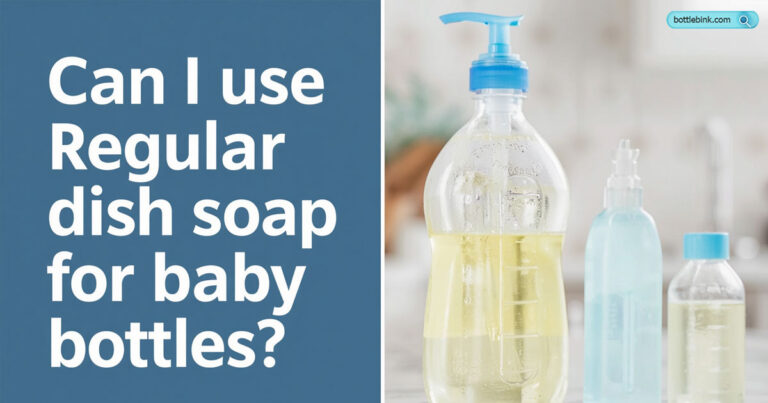
Yes, you can use regular dish soap on baby bottles. Regular dish soap is safe and effective for cleaning baby bottles and other baby items.
When mixed with water, it can clean and sanitize baby bottles, nipples, and pacifiers. Using liquid castile soap, made from natural vegetable oils, is also a safe and suitable option for cleaning baby bottles and other baby items. Additionally, Milton Washing up Liquid is fragrance-free and coloring-free, making it a safe choice for cleaning baby bottles.
It’s important to ensure thorough cleaning and sanitation, whether using regular dish soap, liquid castile soap, or specific baby bottle cleaning products. Always follow proper cleaning guidelines to keep baby bottles clean and safe for use.
Differences In Ingredients
Chemicals In Regular Dish Soap
Regular dish soap is formulated to remove tough grease and grime from dishes, utensils, and cookware. It contains a variety of chemicals that may not be suitable for cleaning baby bottles. These chemicals often include harsh surfactants, fragrances, dyes, and preservatives. While effective for removing grease, these ingredients can leave residues and strong odors on baby bottles.
Ingredients In Baby Bottle Soap
Baby bottle soap, on the other hand, is specifically designed for cleaning and sanitizing baby bottles and related accessories. It is made with gentle and natural ingredients that are safe for babies. Baby bottle soaps usually consist of mild surfactants, plant-based cleansers, and natural fragrances. These ingredients are carefully selected to effectively clean baby bottles without leaving any harmful residues or strong odors.
Using regular dish soap on baby bottles may not be the best option due to the differences in ingredients. The chemicals present in regular dish soap can leave residues and strong odors on baby bottles, which may not be safe for your little one. However, baby bottle soap is specifically formulated to clean and sanitize baby bottles without compromising their safety. It is always better to choose a baby bottle soap that is gentle, natural, and specifically designed for cleaning baby bottles.
Effectiveness Of Cleaning
Liquid castile soap made from natural oils is a safe option for cleaning baby bottles. Mix with water in a spray bottle for sanitizing. Using regular dish soap for baby bottles may leave a strong smell; opt for fragrance-free options like Milton for safe cleaning.
Baby bottles can be washed in a dishwasher, following specific steps for thorough sanitization. Boil bottles in soapy water for at least five minutes for proper sterilization. Dawn dish soap is effective for cleaning baby items without leaving a soapy residue.
Sanitization Of Baby Bottles
When it comes to sanitizing baby bottles, using regular dish soap can be an effective solution. Regular dish soap contains surfactants that help break down oils, fats, and other residues on the bottles. These surfactants work by reducing the surface tension of water, allowing it to spread and penetrate the dirt, bacteria, and milk film that may accumulate on the bottles.
Dish soaps are specifically designed to remove grease, grime, and food residues from dishes, making them suitable for cleaning baby bottles as well. The effectiveness of regular dish soap in sanitizing baby bottles has been tested and proven, ensuring that your little one’s bottles are safe and clean for use.
Residue Removal
One of the primary concerns when cleaning baby bottles is the removal of residue. Baby bottles can accumulate leftover milk, formula, and saliva, which can create a breeding ground for bacteria and may cause unpleasant odors. Regular dish soap, with its powerful cleaning agents, is effective in removing these residues.
Using regular dish soap with warm water and a bottle brush, you can easily scrub away any residue from the bottles. The surfactants in dish soap help to break down the proteins and fats in the residues, making them easier to wash away. Additionally, dish soaps are often gentle on materials like plastic and silicone, ensuring that the bottles remain in good condition after repeated cleaning.
Comparison Table: Dish Soap Vs. Baby Bottle Cleaners
| Dish Soap | Baby Bottle Cleaners | |
|---|---|---|
| Effectiveness | Effective in removing dirt, bacteria, and residues | Specifically designed for cleaning baby bottles |
| Gentleness | Gentle on materials like plastic and silicone | Formulated to be gentle on baby items |
| Fragrance | May have a mild fragrance depending on the brand | Available in various fragrances or fragrance-free options |
| Availability | Widely available in most grocery stores | Available in baby stores and online |
Final Thoughts
In conclusion, regular dish soap can be effectively used for cleaning baby bottles, ensuring proper sanitization and residue removal. Its powerful cleaning agents and gentle formulation make it an ideal choice for keeping your little one’s bottles clean and safe. With regular cleaning using dish soap, you can ensure that your baby’s feeding equipment remains hygienic and free from harmful bacteria.
Safety Considerations
To ensure safety when cleaning baby bottles, opt for a mild, fragrance-free liquid castile soap. Avoid using regular dish soap as it may leave a strong smell. Clean bottles, nipples, and pacifiers with a mixture of water and liquid castile soap for a safe and gentle cleaning solution.
Potential Harmful Effects On Babies
Dish soap designed for regular use may contain harsh chemicals that could be harmful to babies. These chemicals can leave behind residues on baby bottles, posing health risks such as digestive discomfort or even toxicity.
Health And Allergy Concerns
Using regular dish soap on baby bottles may also trigger allergic reactions in sensitive infants. The fragrances, dyes, and other additives in regular dish soap could lead to skin irritation or allergic responses, potentially compromising the baby’s health.
Expert Recommendations
Expert Recommendations:
Pediatrician Advice
Consulting a pediatrician is recommended for personalized guidance on cleaning baby bottles. Pediatricians can provide insights based on your baby’s specific needs and sensitivities.
Product Recommendations
Using gentle and baby-safe dish soaps like liquid castile soap or fragrance-free options is ideal for cleaning baby bottles. Opt for products free from harsh chemicals and artificial additives.
Alternative Cleaning Methods
Concerns about using regular dish soap on baby bottles arise due to potential residue and fragrance. Liquid castile soap, free of synthetic additives, is a safer alternative for cleaning and sanitizing baby items, including bottles, nipples, and pacifiers. It can be mixed with water and sprayed onto the items for gentle cleaning.
Sterilization Techniques
When it comes to ensuring the utmost cleanliness for your baby bottles, sterilization is a vital step. Babies have delicate immune systems that need extra protection, and sterilizing their bottles helps to eliminate harmful bacteria. Here are a few sterilization techniques you can use:
1. Boiling Method: This method involves submerging the bottles, nipples, and rings in a pot of boiling water for at least five minutes. Boiling effectively kills bacteria, and it’s a simple and cost-effective way to sterilize baby bottles.
2. Steam Sterilizers: Electric steam sterilizers are convenient and efficient. They use hot steam to kill bacteria, and some models even have drying functions to ensure bottles are completely dry before use.
3. Microwave Sterilizing Bags: Microwave sterilizing bags provide a quick and easy way to sterilize bottles. Simply place the bottles and water into the bag, seal it, and microwave according to the instructions. The steam created inside the bag kills bacteria effectively.
Natural Cleaning Solutions
If you prefer to use natural cleaning solutions, there are alternatives to regular dish soap that are safe for baby bottles. These solutions are free from synthetic additives and harsh chemicals, providing a gentle yet effective clean. Here are a few natural cleaning solutions you can try:
1. Liquid Castile Soap: Liquid castile soap, made from natural vegetable oils, is a suitable option for cleaning baby bottles. Mix the soap with water in a clean spray bottle and use it to clean and sanitize bottles, nipples, and pacifiers.
2. Vinegar: Vinegar is a natural disinfectant and can effectively sanitize baby bottles. Mix equal parts of white vinegar and water and use it to soak the bottles for a few minutes before rinsing thoroughly.
3. Baking Soda: Baking soda is another natural cleaning agent that can help remove stains and odors from baby bottles. Create a paste using baking soda and water and scrub the bottles gently.
Using these alternative cleaning methods can provide peace of mind knowing that your baby bottles are clean and safe for your little one. Whether you choose sterilization techniques or natural cleaning solutions, always ensure thorough rinsing to remove any residue before using the bottles again.
Tips For Cleaning Baby Bottles
You may wonder if regular dish soap is safe for cleaning baby bottles. The good news is that you can use liquid castile soap, which is made from natural vegetable oils and free from synthetic additives, to clean and sanitize baby bottles, nipples, and pacifiers.
Simply mix the liquid castile soap with water in a clean spray bottle for an effective and safe cleaning solution.
Proper Cleaning Routine
When it comes to cleaning baby bottles, it is essential to establish a proper cleaning routine. Regular washing with the right cleaning agents helps remove milk residue, bacteria, and odors, ensuring that your baby’s bottles are clean and safe.
Best Practices
Following best practices for cleaning baby bottles is crucial to maintain hygiene and prevent any potential health risks for your baby. Here are some tips to ensure effective cleaning:
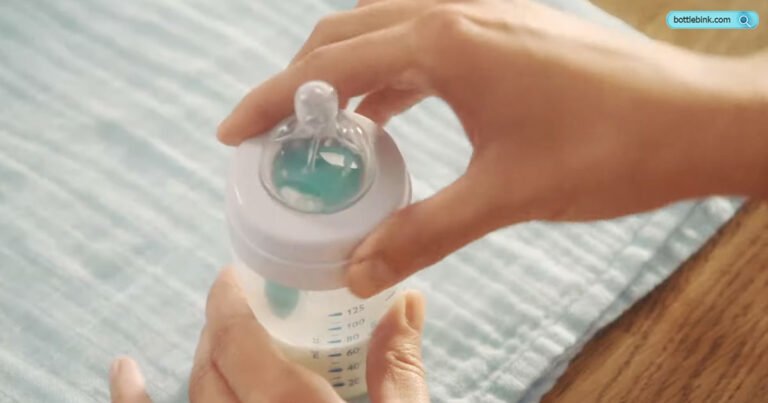
- Disassemble the Bottles: Before cleaning, disassemble the bottles by separating the bottle, nipple, collar, and any other components. This allows for a thorough cleaning of each part.
- Rinse Immediately: After each feeding, rinse the bottles with warm water to remove any leftover milk or formula. This step prevents the buildup of bacteria and helps in easier cleaning later.
- Use a Bottle Brush: Invest in a good quality bottle brush with soft bristles. It can reach the nooks and crannies of the bottle, effectively removing residue and ensuring a deep clean.
- Choose a Baby-Safe Cleaning Agent: Opt for a baby-safe dish soap or liquid castile soap that is free from synthetic additives and harsh chemicals. These soaps are gentle on your baby’s bottles and are safe to use.
- Sanitize Regularly: To ensure proper sanitization, boil the bottles, nipples, and other components in water for at least five minutes. This kills any residual bacteria and helps keep your baby’s bottles germ-free.
- Air Dry: After cleaning and sanitizing, allow the bottles and other components to air dry on a clean towel. This helps prevent the growth of bacteria and mold.
With these best practices in place, you can ensure that your baby’s bottles are clean and safe for use. Remember to establish a regular cleaning routine and follow these tips diligently to maintain optimum hygiene levels.
FAQs For Can You Use Regular Dish Soap On Baby Bottles
Can I Use Normal Soap To Wash Baby Bottles?
Yes, you can use normal soap to wash baby bottles. Liquid castile soap made from natural vegetable oils is safe for cleaning and sanitizing baby bottles. Simply mix it with water in a spray bottle and use it on bottles, nipples, and pacifiers.
Can You Use Normal Washing Up Liquid For Baby Bottles?
Yes, you can use normal washing up liquid for baby bottles. However, make sure it’s fragrance-free and coloring-free to ensure safe cleaning.
Can You Wash Baby Bottles With Other Dishes In The Dishwasher?
Yes, you can wash baby bottles with other dishes in the dishwasher. Just ensure they’re thoroughly cleaned and sanitized.
Can I Boil Baby Bottles In Soapy Water?
You can wash baby bottles with soapy water by boiling them for at least five minutes. Use clean tongs to remove and air dry them on a towel.
Conclusion
Using regular dish soap on baby bottles is safe, but it is important to choose a mild, fragrance-free option. Baby-safe dish soaps or liquid castile soap are ideal for cleaning and sanitizing baby bottles, nipples, and pacifiers. Always ensure thorough rinsing to avoid leaving any harmful residues.
Remember to follow the specific cleaning instructions for each baby product to prioritize your baby’s health and safety.