Can I Use Regular Dish Soap for Baby Bottles? Safe or Risky?
Are you wondering if you can use regular dish soap to clean your baby’s bottles? It’s a common question for many parents who want the best for their little one but aren’t sure if everyday soap is safe enough.
Using the wrong cleaning product could leave harmful residues or miss stubborn milk stains. You want to keep your baby healthy and happy, and that starts with clean bottles. Keep reading to find out what experts say, what risks you should watch out for, and the best way to keep your baby’s bottles spotless and safe every time.
Why Cleaning Baby Bottles Matters
Cleaning baby bottles is more than a routine chore. It protects your baby’s health every day. Babies have weak immune systems. They can get sick from tiny germs left on bottles. Proper cleaning keeps bottles safe and ready for feeding.
Every feeding needs a clean bottle. This helps stop infections and keeps your baby comfortable. Neglecting bottle cleaning can cause problems that are easy to avoid.
Health Risks Of Improper Cleaning
Dirty bottles can cause stomach pain and diarrhea. These issues affect babies quickly. Illnesses from germs on bottles may need a doctor visit. Some infections can become serious fast. Proper cleaning lowers these health risks.
Food residue on bottles also attracts bacteria. These bacteria grow and multiply fast. This can lead to bad smells and tastes, making feeding hard for babies.
Bacteria And Germ Concerns
Bacteria like Salmonella and E. coli can live on unwashed bottles. These germs cause infections and fever. They spread easily if bottles are not cleaned well.
Regular dish soap might not kill all germs. Special baby bottle soaps or sterilizers are better. These products help remove harmful bacteria safely and effectively.
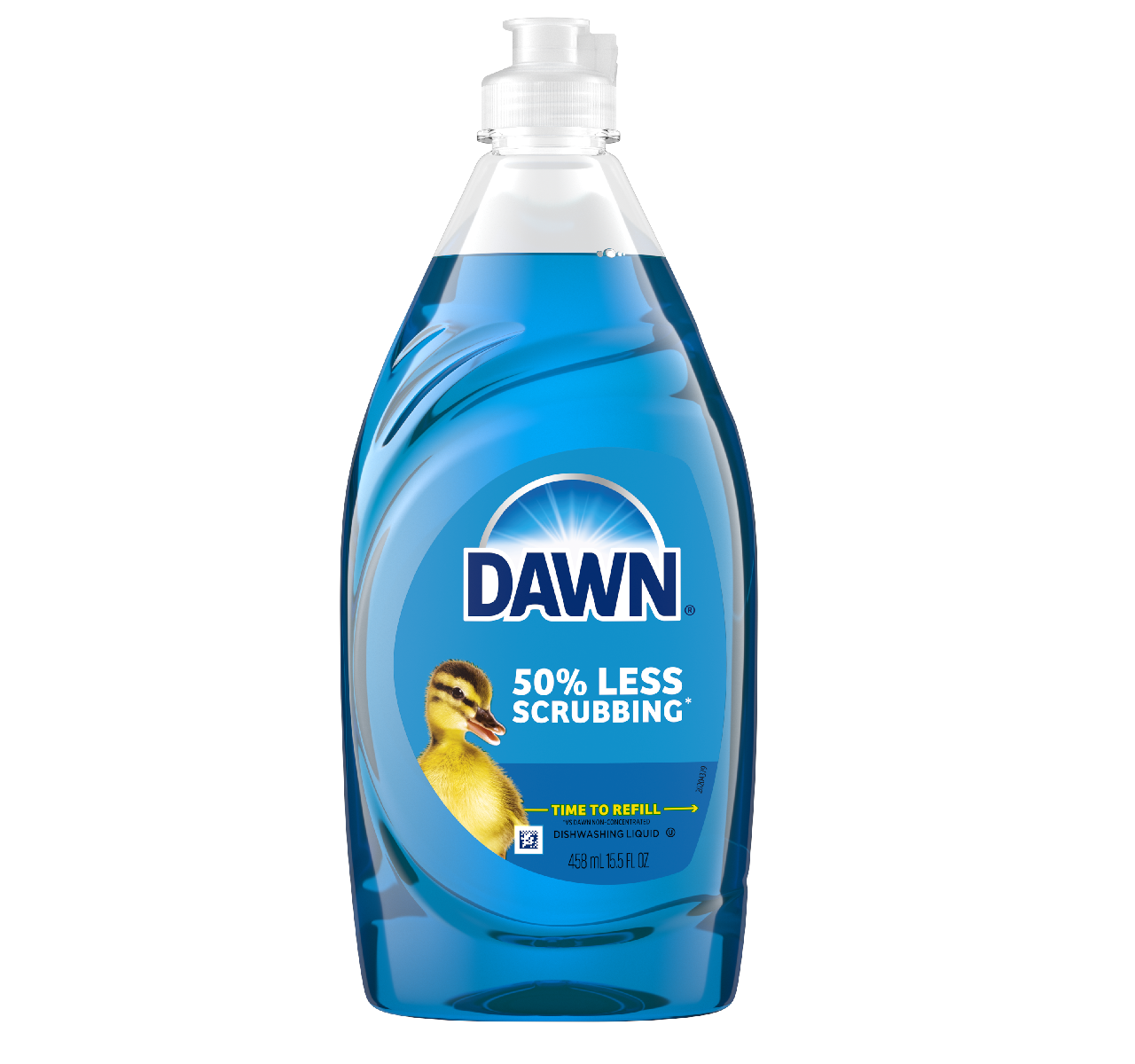
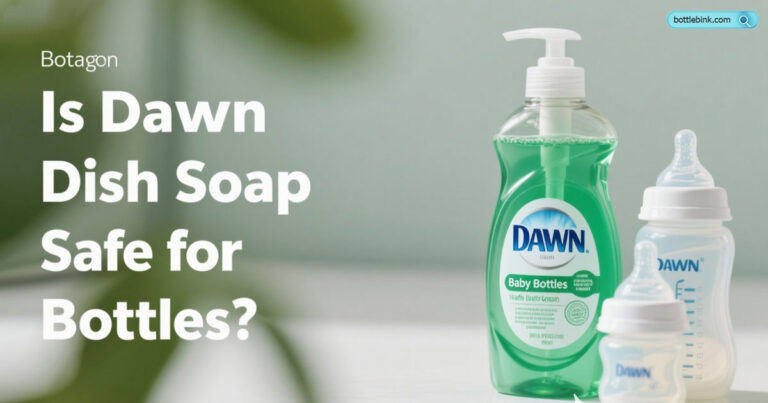
Credit: dawn-dish.com
Ingredients In Regular Dish Soap
Regular dish soap contains various ingredients designed to remove grease and food residue. These ingredients work well for cleaning dishes but may not be ideal for baby bottles. Understanding these ingredients helps decide if regular dish soap is safe for your baby’s feeding items.
Common Chemicals Used
Regular dish soaps often include surfactants. These help break down oils and fats. Some common surfactants are sodium lauryl sulfate and sodium laureth sulfate. Fragrances and dyes are added for a pleasant smell and color. Preservatives keep the soap stable over time. Some soaps also contain antibacterial agents like triclosan.
Potential Irritants For Babies
Many chemicals in dish soap can irritate a baby’s sensitive skin. Surfactants like sodium lauryl sulfate may cause dryness or rashes. Fragrances and dyes can trigger allergic reactions. Antibacterial agents might be too harsh for baby bottles. Residue left on bottles can harm a baby’s digestive system. Choosing gentle, baby-safe cleansers reduces these risks.
Are Regular Dish Soaps Safe For Bottles?
Are regular dish soaps safe for cleaning baby bottles? Many parents wonder about this. Using regular dish soap might seem easy and cost-effective. But safety and cleanliness are the top priorities for baby feeding items. Let’s explore the safety aspects of using regular dish soaps for baby bottles.
Risks Of Residue
Regular dish soaps can leave behind harmful residue. These soaps often contain strong chemicals and fragrances. Even after rinsing, tiny amounts may stay on the bottle. Babies are sensitive to these chemicals. Residue can cause skin irritation or stomach upset. This risk makes many parents cautious about regular dish soaps. Thorough rinsing is hard to guarantee every time.
Effectiveness Against Germs
Regular dish soaps clean grease well but may not kill all germs. Baby bottles need extra care to remove bacteria and milk residue. Some dish soaps lack antibacterial properties. Germs can survive if the soap is not strong enough. Special baby bottle soaps often have added ingredients for better germ removal. Using only regular dish soap might not keep bottles fully safe.
Specialized Baby Bottle Soaps
Specialized baby bottle soaps are made just for cleaning bottles safely. They remove milk and formula residues without leaving harmful chemicals. These soaps help keep baby bottles clean and safe for feeding.
Formulation Benefits
These soaps have gentle formulas that clean well without harsh chemicals. They break down milk fats and proteins easily. They rinse off quickly, leaving no soap taste or smell. The formulas protect the bottle material, keeping it strong and clear. Using these soaps reduces the risk of irritation for babies.
Hypoallergenic Options
Many baby bottle soaps are hypoallergenic. They avoid common allergens like dyes and fragrances. This lowers the chance of skin reactions for sensitive babies. Hypoallergenic soaps are often tested by dermatologists. They offer safer cleaning for babies with delicate skin.
Tips For Washing Baby Bottles Safely
Washing baby bottles correctly is very important for your baby’s health. Clean bottles help stop germs and keep feeding safe. Following some simple tips can make washing easier and more effective. These tips help remove milk residue and keep bottles free from harmful bacteria.
Proper Rinsing Techniques
Rinse baby bottles right after feeding. Use warm water to wash away milk leftovers. Hold the bottle upside down and rinse inside well. Use a bottle brush to reach all corners. Rinse nipples and caps separately. Make sure no soap remains after rinsing. This prevents your baby from drinking soap residue.
Sanitizing Methods
Sanitize bottles often to kill germs. Boil bottles and parts in water for five minutes. Use a steam sterilizer made for baby bottles. Some microwaves have special sterilizing bags. Follow instructions carefully for safe use. Let bottles air dry on a clean towel. Avoid towels that can carry dust or bacteria.
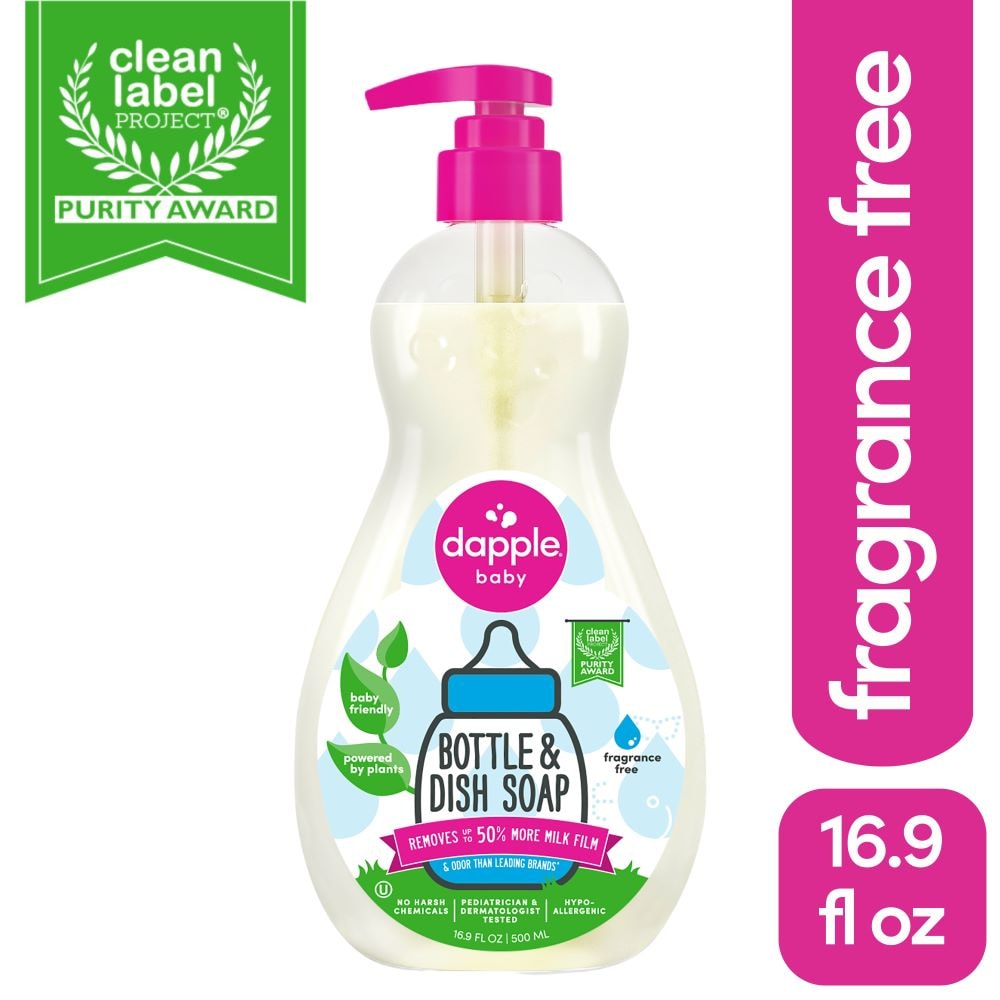
Credit: www.ralphs.com
When To Avoid Regular Dish Soap
Using regular dish soap for baby bottles may seem easy and practical. Still, there are times when it is better to avoid it. Baby skin and stomachs are very sensitive. Regular soaps might cause issues that are not always obvious at first.
Knowing when to avoid regular dish soap can protect your baby from discomfort or harm. It is important to watch for signs and follow expert advice carefully.
Signs Of Allergic Reactions
Babies can show allergic reactions if dish soap is too harsh. Look for red, itchy skin around the mouth or hands. Rashes or small bumps might appear after feeding. Swelling or irritation in the baby’s mouth is a warning. If you see these signs, stop using the soap immediately. Switch to a gentler, baby-safe cleaning product instead.
Manufacturer Recommendations
Always check the baby bottle’s manufacturer instructions. Some brands clearly state which soaps to avoid. They often recommend mild, fragrance-free cleaners made for babies. Following these guidelines helps keep bottles safe and clean. Ignoring them might void warranties or cause damage. Use only the cleaning products suggested by the manufacturer.
Alternative Cleaning Methods
Regular dish soap might not always be the best choice for cleaning baby bottles. There are safer and effective alternative cleaning methods to keep bottles clean and safe. These methods can help reduce chemical exposure and ensure thorough cleaning.
Natural Cleaning Solutions
Natural cleaning solutions use simple, non-toxic ingredients. Vinegar and baking soda are popular options. Vinegar helps kill bacteria and remove odors. Baking soda works well to scrub away residue. Mix a small amount of baking soda with water to create a paste. Use this paste to clean bottles gently. Rinse bottles thoroughly to remove all cleaning residues. These natural options are safe for babies and gentle on bottles.
Steam And Uv Sterilizers
Steam sterilizers use hot steam to kill germs. They reach high temperatures that destroy bacteria and viruses. Steam sterilizing is quick and chemical-free. UV sterilizers use ultraviolet light to clean bottles. UV light breaks down harmful microorganisms. Both methods do not leave any chemical residues. They are easy to use and effective for daily cleaning. These tools add an extra layer of safety after washing bottles.
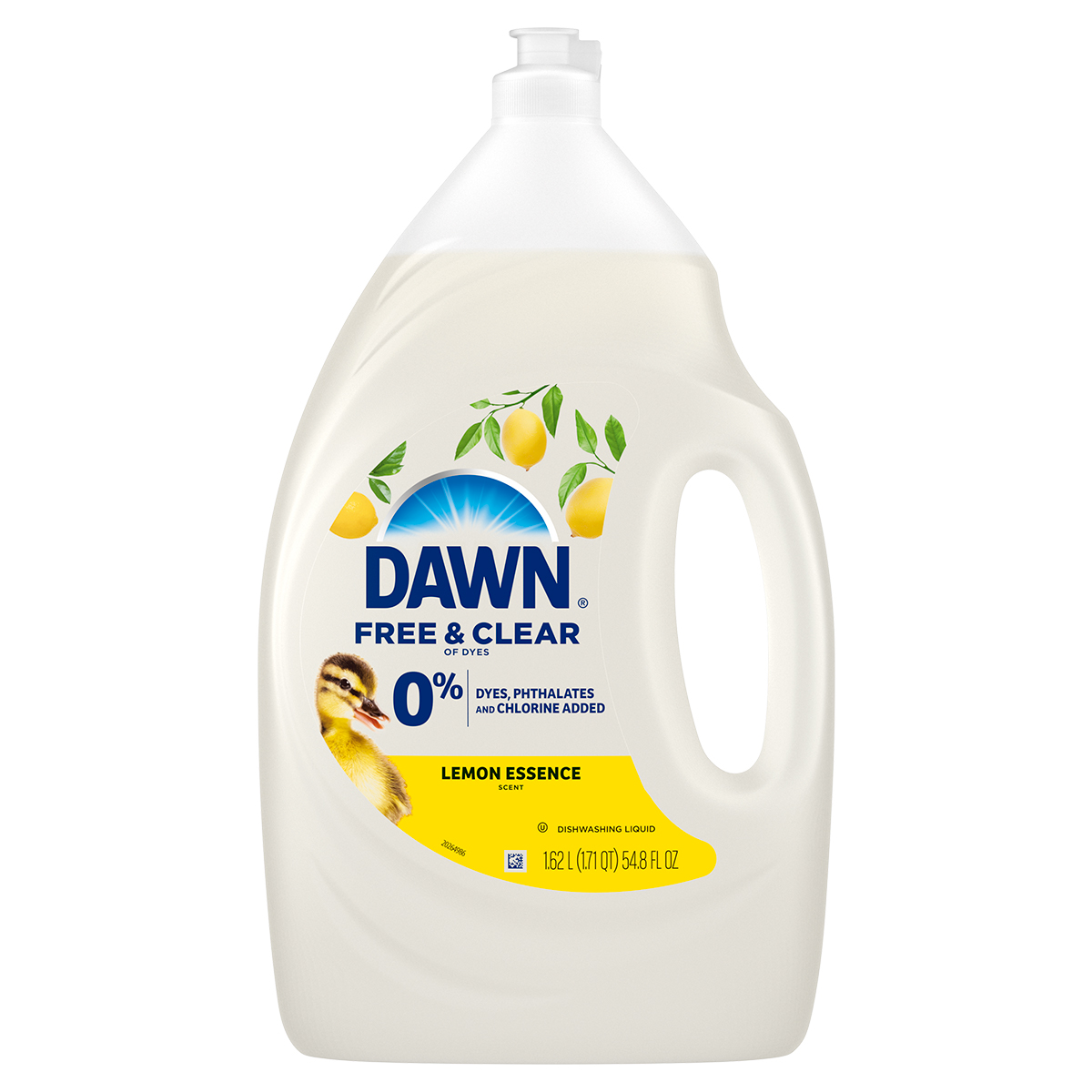
Credit: dawn-dish.com
Frequently Asked Questions
Can I Use Regular Dish Soap For Baby Bottles?
Yes, you can use regular dish soap if it’s mild and free of harmful chemicals. Always rinse bottles thoroughly to remove soap residue before feeding your baby.
Is Regular Dish Soap Safe For Baby Bottle Cleaning?
Regular dish soap is generally safe if it doesn’t contain antibacterial agents or strong fragrances. Choose gentle, hypoallergenic soaps to avoid irritation.
How To Ensure Baby Bottles Are Soap-free After Washing?
Rinse baby bottles multiple times with warm water after washing. This removes all soap traces and keeps bottles safe for your baby.
What Are Better Alternatives To Regular Dish Soap For Bottles?
You can use baby-specific bottle soaps or natural, fragrance-free dish soaps. These options are designed to be gentle and safe for infants.
Conclusion
Regular dish soap can clean baby bottles but may leave residues. Baby soaps or detergents made for infants are safer choices. They rinse easily and protect your baby’s health. Always check the soap label for safety information. Clean bottles well to avoid germs and bacteria.
Safe cleaning helps keep your baby healthy and happy. Choose gentle, trusted products for peace of mind. Simple steps make bottle cleaning easy and safe every day.