When were Baby Bottles Invented? Discover the Surprising History
Have you ever wondered when baby bottles were first invented? If you’re a parent or caregiver, you know how important this simple tool is for feeding your little one.
But the story behind baby bottles is more surprising than you might think. Understanding their history can change the way you see this everyday item and even help you appreciate its role in your child’s care. Keep reading to uncover the fascinating origins of baby bottles and discover how they evolved into the essential feeding tool you use today.
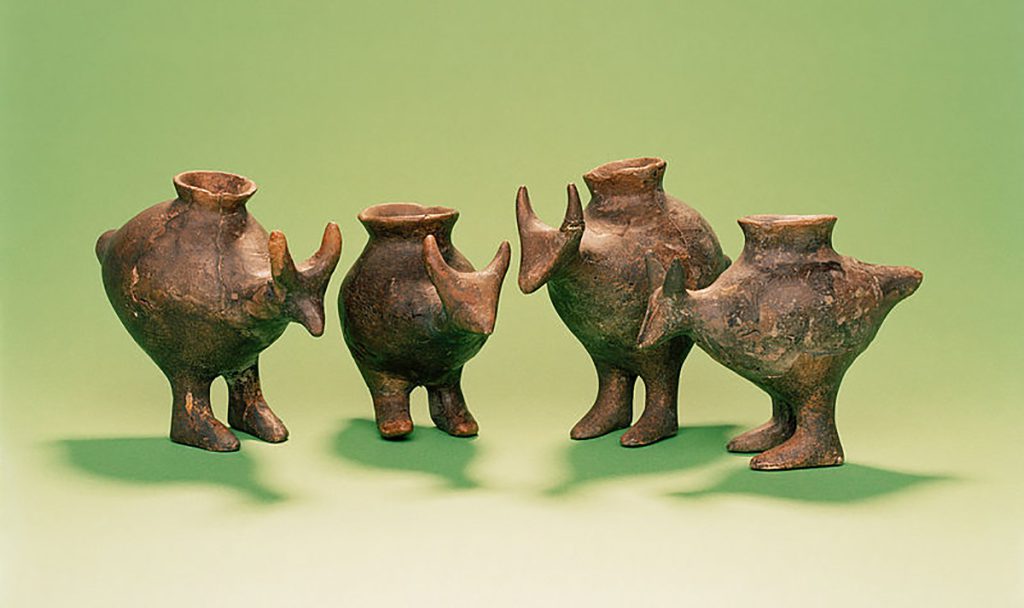
Credit: www.sapiens.org
Early Feeding Methods
Feeding babies has always been a vital part of care and survival. Before baby bottles existed, people used various methods to feed infants. These early feeding ways show how humans adapted to nurture newborns across cultures and times.
Ancient Feeding Tools
Long ago, people used simple tools to feed babies. Clay pots with small spouts helped control milk flow. Some cultures used animal horns or hollowed-out reeds. These tools aimed to imitate breastfeeding by delivering milk slowly. They were often handmade and passed down through families.
Natural Alternatives
Many mothers breastfed directly, as nature intended. When breastfeeding was not possible, wet nurses were common. Wet nurses fed babies with their own milk. Sometimes, caregivers gave infants softened grains or animal milk. These natural choices helped babies survive before modern bottles were made.
First Baby Bottles
The first baby bottles appeared centuries ago. They helped feed babies when breastfeeding was not possible. These early bottles were very different from today’s designs.
People used simple materials and basic shapes. Their goal was to make feeding easier and safer for infants.
Materials Used
The earliest baby bottles were made from natural materials. Clay and pottery were common choices. These materials were easy to shape and clean.
Some bottles were made from animal horns or gourds. These items were hollowed out to hold milk. Glass bottles came later, offering better hygiene.
Design And Function
First baby bottles had simple designs. They were often a small container with a narrow opening. A piece of cloth or leather acted as a nipple.
The design allowed babies to suck milk slowly. This helped prevent choking and spills. Over time, designs improved to be safer and easier to use.
Evolution Through Centuries
The evolution of baby bottles spans many centuries. Each period brought new designs and materials. This history shows how people cared for babies over time. Early inventions aimed to feed infants when breastfeeding was not possible. The journey of the baby bottle reflects changes in culture and technology.
Medieval Innovations
In medieval times, baby bottles were simple and made from natural materials. Clay, horn, and wood were common choices. These materials could be shaped into containers for feeding. Some bottles had narrow spouts to control milk flow. Feeding was often done with animal nipples or cloth. Cleanliness was a challenge because sterilization was not known. Despite this, these early bottles helped many infants survive.
Impact Of Industrial Revolution
The Industrial Revolution brought major changes to baby bottle design. Factories could now produce glass bottles in large quantities. Glass was easier to clean than earlier materials. Metal nipples were introduced, improving durability and hygiene. The invention of rubber nipples made feeding safer and more comfortable. Mass production lowered costs, making bottles more accessible. This period marked the start of modern baby bottles as we know them.

Credit: www.babybottle-museum.co.uk
Modern Baby Bottle Development
The development of modern baby bottles marks a key step in infant care. Innovations in materials and design have improved feeding. Parents now have safer and easier options to feed their babies. These changes reflect growing knowledge about babies’ needs and health.
Introduction Of Glass And Plastic
Early baby bottles were made from materials like pottery and metal. Glass bottles appeared in the 19th century and became popular. Glass is easy to clean and does not hold smells. Later, plastic bottles were introduced. Plastic is lighter and less likely to break. Both materials changed how parents fed their babies.
Safety And Hygiene Improvements
Modern bottles focus heavily on safety and hygiene. Bottles now use BPA-free plastics to avoid harmful chemicals. Many come with wide necks for easy cleaning. Nipples are designed to reduce choking and gas. Sterilizing bottles became standard practice. These improvements help keep babies healthy during feeding.
Cultural Influences On Bottle Feeding
Cultural beliefs shape how baby bottles are used worldwide. Bottle feeding is not just about nutrition. It reflects traditions, values, and social norms. Different cultures accept or reject bottle feeding in varied ways. These views influence how and when bottles are introduced to babies. Understanding these influences helps explain the history of baby bottles.
Global Variations
In some countries, bottle feeding is common and widely accepted. Parents often choose bottles for convenience or work needs. Other cultures prefer breastfeeding and view bottles as a last option. Some communities use traditional feeding tools instead of bottles. Climate and local resources also affect bottle use. In colder places, bottles may be used more often. In warmer regions, breastfeeding might be preferred to avoid infections. These differences show how culture shapes feeding choices.
Social Attitudes
Social views on bottle feeding vary greatly. In some societies, bottle feeding symbolizes modern parenting. It can represent independence and progress. In others, breastfeeding is seen as more natural and healthier. Mothers may face pressure to breastfeed instead of using bottles. Some groups believe bottle feeding reduces mother-child bonding. Others see it as a practical solution for working mothers. These attitudes affect how families decide to feed their babies. Social acceptance plays a key role in feeding methods.
Future Trends In Baby Bottles
Baby bottles have changed a lot since they were first made. New trends focus on safety, convenience, and care for the planet. These trends show how baby bottles will evolve to meet parents’ needs better. Two main areas are growing fast: sustainable materials and technology.
Sustainable Materials
Many parents want baby bottles made from safe, natural materials. Companies now use plant-based plastics and glass instead of harmful chemicals. These materials are better for babies and the environment. Bottles that can be recycled or reused are also popular. This helps reduce waste and keeps the planet cleaner for future babies.
Technological Advances
Technology is making baby bottles smarter and easier to use. Some bottles now have temperature sensors that show if milk is too hot or cold. Others have anti-colic features to reduce babies’ discomfort. Digital apps can track feeding times and amounts. These tools help parents care for their babies with more confidence and less stress.

Credit: clickamericana.com
FAQs About When were Baby Bottles Invented
When Were Baby Bottles First Invented?
Baby bottles were first invented in the 19th century, around the 1840s.
Who Invented The First Baby Bottle?
The first baby bottle inventor is unknown, but designs evolved over time.
What Materials Were Early Baby Bottles Made From?
Early baby bottles were made of glass, metal, and animal horns.
How Did Baby Bottles Change Over Time?
Baby bottles improved in shape, materials, and added rubber nipples for feeding.
Why Were Baby Bottles Invented Initially?
Baby bottles were invented to feed babies who could not breastfeed.
When Did Rubber Nipples Become Part Of Baby Bottles?
Rubber nipples were added to baby bottles in the late 1800s.
How Did Baby Bottles Impact Infant Feeding Practices?
Baby bottles allowed feeding with milk substitutes and helped working mothers.
Are Modern Baby Bottles Very Different From Early Ones?
Yes, modern bottles use safe plastics and silicone nipples for better hygiene.
Conclusion
Baby bottles have a long history, starting centuries ago. They have changed a lot over time. Early designs were simple and made from natural materials. Today’s bottles use safe plastics and silicone. These improvements help babies feed more easily. Parents now have many choices for feeding.
Understanding this history shows how baby care grows with time. The invention of baby bottles made feeding more flexible for families. It remains an important tool for many parents worldwide.