How to Keep Baby Hydrated When Refusing Bottle? Simple Tips
Is your baby refusing the bottle, leaving you worried about their hydration? You’re not alone, and it can feel frustrating and stressful.
Keeping your little one hydrated is essential for their health and happiness, but when the usual methods don’t work, what can you do? You’ll discover simple, effective ways to keep your baby hydrated even when they won’t take the bottle.
Read on to find easy tips that will ease your worries and help your baby stay healthy and comfortable.
Signs Of Baby Dehydration
Babies need enough fluids to stay healthy and active. Dehydration can happen fast, especially if a baby refuses the bottle. Spotting dehydration early helps protect your baby’s health. Watch for clear signs to act quickly.
Dry Mouth And Lips
One of the first signs is a dry mouth. Lips may look cracked or chapped. This shows the baby lacks enough moisture.
Fewer Wet Diapers
A drop in wet diapers is a strong sign. Babies usually have many wet diapers daily. If this number drops, dehydration might be starting.
Sunken Eyes And Soft Spot
Check the eyes and soft spot on the head. Sunken eyes or a sunken soft spot mean fluid loss. Both are serious signs to watch for.
Unusual Sleepiness Or Fussiness
A dehydrated baby may sleep too much or be very fussy. Changes in behavior like this tell you something is wrong.
Pale Or Cool Skin
The skin may look pale or feel cool to touch. This happens because the body tries to save water. It’s another warning sign of dehydration.
Common Reasons For Bottle Refusal
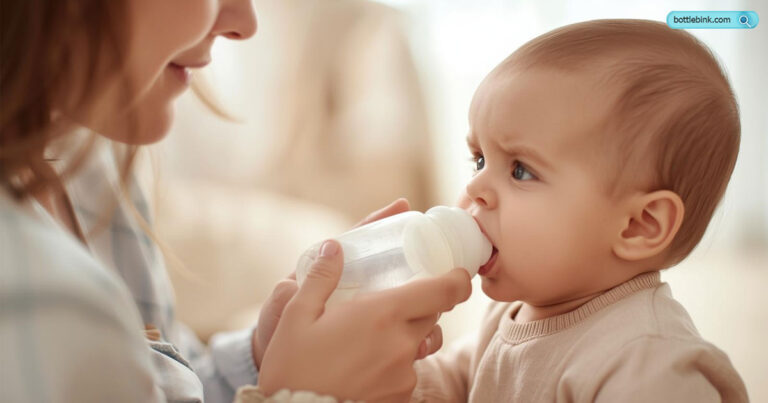
Babies may refuse the bottle for many reasons. Understanding these reasons helps parents stay calm and find solutions. Sometimes, the refusal is temporary. Other times, it points to specific needs or discomfort.
Knowing why a baby refuses the bottle is the first step. It allows caregivers to respond with patience and care. Here are some common reasons why babies turn away from the bottle.
Teething Discomfort
Teething makes babies’ gums sore and tender. The pressure from sucking may hurt. Babies may avoid the bottle to ease this pain.
Change In Formula Or Milk Taste
Babies notice even small taste changes. Switching formula brands or milk types can cause refusal. They prefer the familiar flavor they know.
Preference For Breastfeeding
Some babies prefer breastfeeding over the bottle. The warmth and closeness feel better to them. Bottle feeding may seem less comforting.
Incorrect Bottle Nipple Size Or Shape
Babies dislike nipples that flow too fast or too slow. The wrong shape can feel strange in their mouth. This may cause them to refuse the bottle.
Illness Or Discomfort
When babies feel unwell, they may refuse feeding. Colds, ear infections, or stomach aches affect their appetite. They may turn away from the bottle until they feel better.
| Reason | Signs to Watch For | Quick Fix Idea |
|---|---|---|
| Teething Pain | Drooling, fussiness, red gums | Chill the nipple in fridge |
| Ear Infection | Tugging ears, fever | See pediatrician ASAP |
| Growth Spurt | Hungrier than usual, cluster feeding | Offer smaller, more frequent feeds |
| Bottle Nipple Too Fast | Gulping, choking, spilling | Switch to slower flow nipple |
| Preference for Breast | Latched better to mom | Use mom’s shirt over bottle |
| Illness or Cold | Runny nose, less wet diapers | Use saline drops, humidifier |
From my own experience, my baby’s refusal started during teething. We switched nipples, and boom – problem solved. Next, we’ll talk about how to check if dehydration is sneaking up.
Top 10 Gentle Ways to Hydrate Your Baby

Alright, time for the good stuff! These methods are safe, doctor-approved, and work for most US families. Start with the easiest and build from there. Remember, small sips often beat big gulps.
1. Spoon-Feeding: The Magic Trick That Works Every Time
Spoon-feeding is my number one go-to. It’s gentle and lets baby control the flow. Use a soft baby spoon and aim for 1/2 teaspoon every few minutes.
Step-by-Step How-To:
- Warm milk to body temp (test on your wrist).
- Sit baby upright in your lap.
- Dip spoon, touch lips lightly – let them sip.
- Do 10-15 sips every 15 minutes.
In one afternoon, we got 4 ounces in this way. Pro tip: Sing a silly song to distract!
2. Cup or Straw Cup: Ditch the Bottle for Fun
By 6 months, many babies love sippy cups. Brands like Munchkin or NUK are cheap at Walmart.
Pros and Cons Table:
| Method | Pros | Cons | Best Age |
|---|---|---|---|
| Soft Cup | Easy to hold, no spill | Might leak a bit | 4+ months |
| Straw Cup | Trains for big kid cups | Learning curve | 6+ months |
| Open Cup | Big milestone! | Messy fun | 9+ months |
We transitioned at 5 months – zero fights!
3. Finger Feeding: Old-School but Super Effective
Dip your clean pinky finger in milk and let baby suck. It’s cozy and mimics breastfeeding.
How Much? Aim for 1-2 ounces per session. Do it during tummy time for double wins.
4. Syringe or Dropper: For Tiny Sips
Get an oral syringe from the pharmacy (free with formula coupons!). Squirt 0.5 ml into cheek every 5 minutes.
Safety Note: Never force – tilt head slightly.
5. Frozen Milk Pops: Treat That Hydrates
For 6+ months, freeze breast milk in ice cube trays. Offer as a teething toy. Yum!
6. Skin-to-Skin with Dipped Nipple
Hold baby close, dip pacifier in milk. Natural sucking = easy intake.
7. Paced Bottle Feeding: Slow and Steady
Hold bottle horizontal – baby works for it. Prevents overfeeding reflux.
Video Tip: Search “paced feeding” on YouTube for demos.
8. Add Electrolyte Solution: Pedialyte to the Rescue
For mild dehydration, mix Pedialyte with milk (1:1). Unflavored is best. Doc okays it for US babies.
9. Bath Time Hydration Hack
Warm bath relaxes baby. Offer sips while splashing – multi-task magic!
10. When to Call the Doctor: Hospital Hydration
If no improvement in 4 hours, head to ER. IV fluids are quick and safe.
Transitioning smoothly, let’s chat about what to feed beyond milk.
Creating A Comfortable Feeding Environment
Creating a comfortable feeding environment helps your baby feel safe and calm. A peaceful setting encourages better feeding habits. Babies sense stress and may refuse the bottle. A gentle, quiet space makes feeding easier and more enjoyable for both of you.
Focus on the surroundings to keep your baby relaxed. Soft lighting and a warm room can help. Holding your baby close during feeding adds comfort. Your calm presence reassures your little one and supports hydration.
Choosing The Right Time
Pick a time when your baby is calm and not too hungry. Avoid feeding right after naps or playtime. A relaxed baby is more likely to accept the bottle. Watch for signs like sucking on hands or lip movements. These show readiness to feed without stress.
Feed before your baby gets very tired or fussy. A tired baby may resist the bottle more. Try feeding in a quiet moment between activities. This helps your baby focus on drinking.
Minimizing Distractions
Turn off TVs, radios, and other noise sources. Bright screens and loud sounds can distract your baby. Remove toys or objects that might draw attention away. Keep the room simple and calm for feeding times.
Face your baby while feeding to keep connection strong. Eye contact helps your baby feel secure. Speak softly or sing gently to soothe your baby. A quiet, focused environment helps your baby drink more easily.
Encouraging Hydration With Play
Keeping a baby hydrated can be tough if they refuse the bottle. Turning hydration into a fun activity can help. Play makes drinking water exciting and less of a chore. Babies enjoy exploring new textures and shapes, so use this to encourage sipping. Hydration becomes part of their playtime, not a separate task.
Using Fun Cups And Straws
Choose colorful cups with interesting shapes. Cups with animal designs or bright colors attract babies’ attention. Straws can add fun by letting babies blow bubbles in water. Let the baby hold the cup or straw to feel in control. This hands-on experience encourages them to drink more. Changing cups often keeps the interest alive.
Incorporating Hydration Into Routine
Make water part of daily playtime. Use short breaks to offer water between activities. Sing a simple song about drinking water to make it joyful. Use water play mats or splash toys to connect fun and hydration. Creating a routine helps babies expect and enjoy drinking water. Consistency makes hydration a natural habit.
When To Consult A Pediatrician
Knowing when to consult a pediatrician is very important for your baby’s health. Babies refusing the bottle can be a normal phase. But sometimes, it signals a bigger problem. Watching your baby closely helps you decide if medical advice is needed.
Signs Of Dehydration To Watch For
Dry mouth and lips are early signs of dehydration. Check if your baby has fewer wet diapers than usual. A sunken soft spot on the head is a serious sign. Your baby might also be unusually sleepy or irritable. These signs mean it is time to see a doctor.
Persistent Refusal To Drink
If your baby refuses the bottle for more than a day, ask a pediatrician. Babies need fluids to stay healthy and grow. Long refusal can lead to low fluid levels in the body. A doctor can help find the cause and suggest solutions.
Fever And Other Illness Symptoms
Fever can increase your baby’s fluid needs. Vomiting or diarrhea can cause quick dehydration. If your baby shows these symptoms and refuses to drink, seek medical help fast. The pediatrician can provide treatments to prevent serious issues.
Changes In Behavior Or Breathing
Watch for fast or troubled breathing. Sudden changes in mood or activity can indicate distress. These symptoms might relate to dehydration or another illness. A pediatrician’s evaluation can ensure your baby gets proper care.
Credit: www.enfamil.com
FAQs About How to Keep Baby Hydrated When Refusing Bottle
Why Is My Baby Refusing The Bottle?
Babies may refuse bottles due to preference for breastfeeding, teething pain, or bottle nipple discomfort. Sometimes, a sudden change in feeding routine or milk taste causes refusal. Identifying the cause helps in finding suitable solutions to keep your baby hydrated.
How Can I Keep My Baby Hydrated Without A Bottle?
Offer small sips of water using a spoon, cup, or syringe. Breastfeed more frequently or try different bottle nipples. Keep feeding sessions calm and comfortable to encourage fluid intake. Hydration can be maintained by offering fluids in various ways.
When Should I Worry About Baby’s Hydration?
Watch for signs like dry mouth, few wet diapers, lethargy, or sunken eyes. If your baby shows these signs, consult a pediatrician immediately. Early intervention ensures your baby stays healthy and well-hydrated.
Can Flavored Water Help Baby Drink More Fluids?
Flavored water is not recommended for babies under 12 months due to added sugars or additives. Plain water or breast milk/formula remains the safest hydration source. Always consult your pediatrician before introducing new fluids.
Conclusion
Keeping your baby hydrated is important for their health. Offer water in small sips throughout the day. Try different cups or spoons to find what your baby likes. Stay calm and patient during feeding times. Remember, babies learn at their own pace.
Watch for signs of thirst and respond quickly. If concerns arise, talk to your pediatrician. Consistency helps your baby get used to new ways of drinking. Hydration supports growth and energy. Small efforts make a big difference in your baby’s comfort and well-being.