How to Clean Baby Bottles Without Soap? Safe & Easy Methods
Cleaning your baby’s bottles without soap might sound tricky, but it’s easier than you think. Maybe you’re worried about harsh chemicals or just ran out of baby-safe soap.
Whatever your reason, knowing how to keep those bottles spotless and safe is crucial for your little one’s health. You’ll discover simple, effective methods to clean bottles naturally and thoroughly. Stick around—you’ll learn tips that save you time, money, and give you peace of mind every time you feed your baby.
Why Clean Without Soap?
Cleaning baby bottles without soap is a smart choice for many parents. It helps keep the bottle safe and clean without using harsh chemicals. This method is gentle and protects your baby’s health. Let’s explore why some parents choose to clean bottles without soap.
Avoiding Chemical Residues
Soap can leave tiny traces on baby bottles. These residues might stay even after rinsing. Babies swallow these chemicals, which can upset their stomach. Using water or steam avoids leaving any soap behind. This keeps the bottle free from harmful substances.
Sensitive Baby Skin
Babies have very soft and sensitive skin. Soap residues on bottles can cause skin irritation. Some soaps contain perfumes or dyes that may trigger rashes. Cleaning without soap helps protect your baby’s delicate skin. It reduces the chance of redness or discomfort.
Soap Allergies
Some babies are allergic to common soap ingredients. Allergies can cause itching, swelling, or dryness around the mouth. Avoiding soap reduces these allergy risks. Using simple cleaning methods is safer for babies with sensitive reactions.
Essential Tools Needed
Cleaning baby bottles without soap needs the right tools. These tools help remove milk residue and keep bottles safe for your baby. Using simple and natural items can clean bottles well. Here are the essential tools you need.
Bottle Brushes
Bottle brushes reach inside bottles easily. They remove milk and dirt from hard spots. Choose brushes with soft bristles to avoid scratches. A narrow brush fits into the bottle’s neck. A long handle helps clean deep inside.
Sterilizers
Sterilizers kill germs using heat or steam. They keep bottles safe without chemicals. Some sterilizers work with water and electricity. Others use microwaves or boiling water. Sterilizing bottles after cleaning is important for baby health.
Natural Cleaning Agents
Natural agents clean bottles gently and safely. White vinegar helps remove milk stains and odors. Baking soda scrubs away residue and neutralizes smells. Lemon juice acts as a natural disinfectant. These agents work well without harsh chemicals.
Rinsing With Hot Water
Rinsing baby bottles with hot water can clean them well without soap. Hot water helps remove milk residue and germs. It is a natural way to keep bottles fresh and safe for babies. This method is gentle and easy for parents who prefer to avoid chemicals. Understanding the right temperature and rinsing methods makes the process effective and quick.
Temperature Tips
Use water that is very warm but not boiling. Around 120°F (49°C) is ideal. Water too hot can damage bottles or cause burns. Water too cold won’t clean well. Check water temperature carefully before rinsing. Use a thermometer or test with your hand. Warm water loosens milk fats and residues easily.
Effective Rinsing Techniques
Rinse each bottle part separately for thorough cleaning. Use a clean brush or cloth with hot water. Swirl water inside the bottle to reach all spots. Turn nipples inside out and rinse well. Repeat rinsing several times to remove all milk. Shake out excess water before drying. Let parts air dry on a clean surface.
Using Boiling Water
Cleaning baby bottles without soap can be safe and simple. Using boiling water is a natural way to clean and sterilize bottles. This method removes germs and dirt effectively. It is gentle and free from chemicals, making it ideal for babies’ sensitive health.
Sterilization Benefits
Boiling water kills most bacteria and viruses. It helps keep bottles safe for baby feeding. This method also removes leftover milk residue. It reduces the risk of infections for your baby. Boiling is a chemical-free cleaning process. It works well for plastic and glass bottles. Sterilized bottles support your baby’s health and growth.
Step-by-step Boiling Method
First, wash bottles with warm water to remove milk. Use a clean brush or cloth for this. Next, fill a large pot with water. Make sure the pot is big enough for bottles. Place bottles and parts in the pot. Ensure all parts are fully underwater. Bring the water to a rolling boil. Let it boil for 5 minutes. After boiling, turn off the heat. Use tongs to remove bottles carefully. Place bottles on a clean, dry towel to air dry. Avoid touching the inside of bottles to keep them clean.
Vinegar As A Cleaner
Vinegar is a natural and safe cleaner for baby bottles. It helps remove milk residue and kills germs without harsh chemicals. Many parents prefer vinegar because it is gentle and effective. Vinegar also helps get rid of odors and keeps bottles fresh. Using vinegar is simple and can be done at home with just a few steps.
Dilution Ratios
Use white distilled vinegar for cleaning baby bottles. Mix one part vinegar with three parts water. This ratio is strong enough to clean but mild enough for baby bottles. Avoid using pure vinegar as it may be too harsh. Always dilute the vinegar before use to protect the bottle’s material.
Cleaning Process
First, rinse the bottle with warm water to remove leftover milk. Pour the vinegar solution into the bottle. Let it sit for about 10 to 15 minutes. Use a bottle brush to scrub inside gently. Rinse the bottle thoroughly with clean water. Allow the bottle to air dry on a clean towel. Repeat this process regularly to keep bottles clean and safe.

Baking Soda Solutions
Baking soda is a gentle and effective cleaner for baby bottles. It can remove milk residue and odors without harsh chemicals. This method is safe and easy to use, especially for parents who want a natural option. Baking soda also helps to keep bottles fresh and clean.
Preparing The Mixture
Start by mixing two tablespoons of baking soda with one cup of warm water. Stir well until the baking soda dissolves completely. Use a container large enough to hold the baby bottle and the solution. Make sure the water is not too hot to avoid damage.
Soaking And Scrubbing
Place the baby bottle into the baking soda solution. Let it soak for about 30 minutes to loosen dirt and milk residue. After soaking, use a bottle brush to scrub inside gently. Rinse the bottle thoroughly with clean water to remove all baking soda. Dry the bottle completely before the next use.
Steam Sterilizing
Steam sterilizing cleans baby bottles without soap by using hot steam. It kills germs and bacteria effectively. This method is safe and gentle for your baby’s items. Steam reaches every part of the bottle, ensuring a deep clean. It also saves time and effort compared to hand washing.
Using Electric Sterilizers
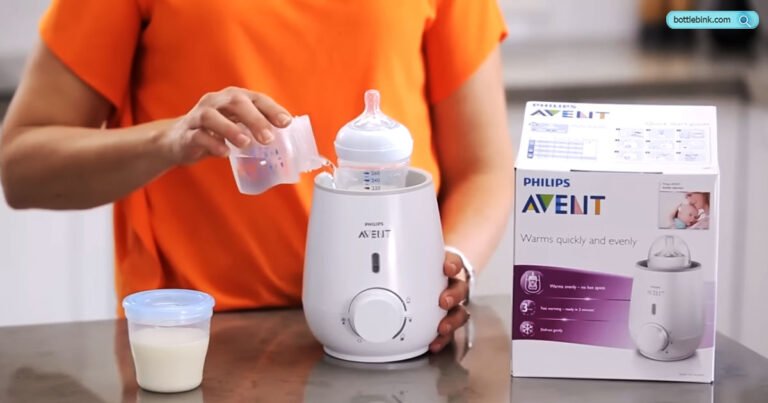
Electric sterilizers use steam to clean bottles quickly. You add water to the base, place bottles inside, and turn it on. In minutes, steam fills the chamber and sterilizes the bottles. These devices often have automatic shut-off for safety. They clean multiple bottles at once, saving time for parents.
Microwave Steam Bags
Microwave steam bags offer a simple way to sterilize bottles. Put bottles and water inside the bag, then seal it. Place the bag in the microwave and heat for a few minutes. Steam inside the bag kills germs without needing soap. These bags are lightweight and easy to use anywhere.
Sun Drying And Airing
Sun drying and airing baby bottles is a natural way to clean and dry them without using soap. This method uses fresh air and sunlight to remove moisture and kill germs. It is gentle on bottles and safe for babies. Letting bottles dry completely prevents bacteria growth and keeps them fresh for the next use.
Benefits Of Sunlight
Sunlight helps kill many types of germs and bacteria. The ultraviolet (UV) rays break down harmful microbes on the bottle surface. Sunlight also dries bottles faster than indoor air. It reduces moisture that can cause mold or mildew. Using the sun is free and eco-friendly. It avoids harsh chemicals and keeps bottles natural and safe.
Proper Drying Techniques
Place bottles upside down on a clean rack or towel. Make sure air can flow inside and outside the bottles. Avoid stacking bottles or covering them while drying. Leave bottles in direct sunlight for at least 2 to 3 hours. Rotate bottles if needed to expose all sides. Ensure hands are clean when handling dry bottles. Store bottles in a dry, dust-free place after drying.
Maintenance Tips
Keeping baby bottles clean without soap requires regular care. Proper maintenance helps protect your baby’s health. It also extends the life of the bottles. Simple habits can keep bottles safe and fresh for daily use.
Regular Cleaning Schedule
Wash bottles after every use with hot water. Use a bottle brush to remove milk residue. Rinse thoroughly to remove all particles. Let the bottles air dry completely before storing. Avoid leaving bottles wet or closed tightly. This prevents bacteria growth and odors.
Inspecting Bottles For Damage
Check bottles regularly for cracks or discoloration. Damaged bottles can harbor bacteria and leak harmful chemicals. Replace bottles with any signs of wear immediately. Also, check nipples for tears or stickiness. Clean and inspect all parts carefully to ensure safety.
FAQs About How to Clean Baby Bottles Without Soap
How Can I Clean Baby Bottles Without Using Soap?
Rinse bottles with hot water and scrub with a bottle brush to remove milk residue.
Is Boiling Water Effective For Cleaning Baby Bottles?
Yes, boiling water kills most germs and helps clean bottles without soap.
Can Vinegar Be Used To Clean Baby Bottles Safely?
Diluted vinegar can remove odors and clean bottles naturally and safely.
What Household Items Clean Baby Bottles Without Soap?
Baking soda and white vinegar work well to clean bottles without soap.
How Often Should Baby Bottles Be Cleaned Without Soap?
Clean bottles after every use to keep them safe and free from bacteria.
Does Using Hot Water Alone Clean Baby Bottles Well?
Hot water alone removes some residue but scrubbing is needed for thorough cleaning.
Can I Use Steam To Clean Baby Bottles Without Soap?
Steam cleaning is a good way to sanitize bottles without using soap.
How Do I Remove Milk Smell From Bottles Without Soap?
Rinse bottles with baking soda or vinegar solution to reduce milk odors.
Conclusion
Cleaning baby bottles without soap is easy and safe. Warm water and a brush can remove most dirt. Boiling bottles kills germs without chemicals. Vinegar or baking soda help clean and freshen naturally. Always rinse well to avoid any taste.
Regular cleaning keeps your baby healthy and happy. Small steps make a big difference in hygiene. Try these simple tips for clean bottles every day. Your baby deserves the best care you can give.