Do You Need to Warm Baby Bottles? Essential Tips for Parents
Are you wondering if you really need to warm your baby’s bottles before feeding? It’s a question many parents ask, especially when juggling busy days and sleepless nights.
You want what’s best for your little one, and the idea of warming bottles might seem like an extra step—or even a hassle. But could this simple action make a big difference in your baby’s comfort and feeding experience? Keep reading to discover the facts, benefits, and safe ways to warm bottles, so you can feel confident every time you feed your baby.
Why Warm Baby Bottles
Warming baby bottles is a common practice for many parents. It helps to make feeding easier and more natural for babies. Warm milk or formula feels closer to the temperature of breast milk. This can comfort babies and help them feed better.
Some babies prefer warm milk because it feels soothing. Cold milk might make them fussy or refuse the bottle. Warming the bottle can create a calm feeding time and help babies relax.
Benefits For Baby
Warm bottles provide gentle comfort for babies. They can help improve digestion and reduce stomach discomfort. Warm milk also helps babies swallow milk more easily. Feeding becomes smoother and less stressful for both baby and parent.
Babies often feel more satisfied and calm after drinking warm milk. This can lead to better sleep and less crying. Warm feeding supports healthy growth and development in babies.
Feeding Comfort
Warming bottles keeps milk at a steady, gentle temperature. This makes feeding more pleasant for babies. Cold milk might shock their sensitive mouths and cause fussiness. Warm milk feels natural and soothing.
Parents can avoid long feeding times and frustration by warming bottles. It helps babies latch better and feed faster. Feeding comfort benefits both baby and caregiver alike.
When To Skip Warming
Warming baby bottles is a common practice, but it is not always necessary. Knowing when to skip warming can save time and avoid extra steps in feeding. Some types of baby bottles and formulas are designed to be used straight from the package. Understanding these options helps parents make feeding easier and faster.
Ready-to-feed Formulas
Ready-to-feed formulas come pre-mixed and sterile. They do not need to be diluted or warmed before feeding. Many parents find these formulas convenient for quick feeding times. Babies can drink them safely at room temperature. Skipping warming reduces preparation time and is safe for most babies.
Breast Milk Options
Breast milk can be fed cold or warmed, based on baby’s preference. Some babies drink breast milk directly from the fridge without any issues. Warming breast milk is optional, not required. Always check the temperature before feeding, especially if warmed. Cold breast milk is perfectly safe and nutritious for babies.
Safe Warming Methods
Warming baby bottles safely is important for your baby’s health. Proper warming keeps milk at the right temperature. It helps avoid hot spots that can burn your baby’s mouth. Here are safe methods to warm bottles effectively and gently.
Warm Water Bath
Place the bottle in a bowl of warm water. Let it sit for a few minutes. This method heats milk evenly and slowly. Avoid using hot water to prevent overheating. Stir the milk gently to check temperature before feeding.
Bottle Warmers
Bottle warmers are designed for baby bottles. They heat milk carefully and evenly. Most have automatic shut-off for safety. This method saves time and reduces risk. Always follow the device instructions for best results.
Microwave Risks
Microwaves heat unevenly and create hot spots. These can burn your baby’s mouth and throat. Microwaving can also destroy nutrients in the milk. Avoid using a microwave to warm bottles. Choose safer methods to protect your baby.
How To Test Bottle Temperature
Testing the temperature of a baby bottle is important for your baby’s safety and comfort. The milk or formula should feel warm, not hot. Too hot can burn your baby’s mouth, while too cold might be uncomfortable. There are easy ways to check if the bottle is just right.
Wrist Test
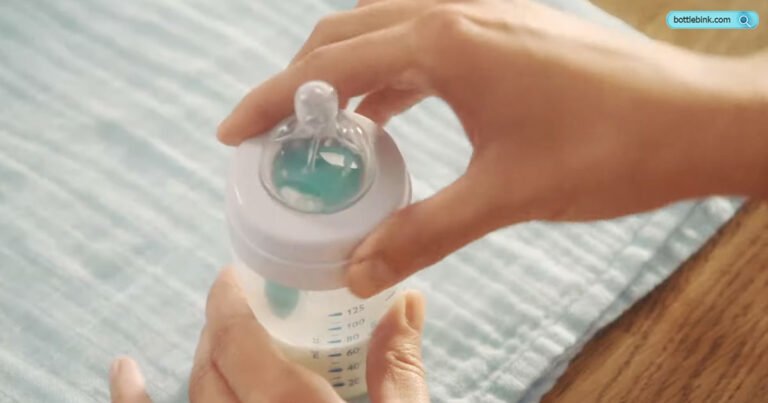
Shake the bottle gently to mix the milk well. Then, drip a few drops on the inside of your wrist. This area is very sensitive to temperature. If it feels warm or neutral, the bottle is ready. If it feels hot or cold, adjust the temperature and test again.
Using A Thermometer
A bottle thermometer gives a clear reading of the milk temperature. Insert it into the bottle or place it under the nipple. Ideal temperature is around 98°F (37°C), which matches body temperature. This method is precise and helps avoid guesswork.
Avoiding Common Mistakes
Avoiding mistakes while warming baby bottles keeps feeding safe and easy. Parents often rush this step and miss key details. These errors can harm your baby or spoil the milk. Learning common mistakes helps you warm bottles the right way every time.
Overheating Dangers
Overheating baby bottles can burn your baby’s mouth. Milk that is too hot loses nutrients. It can also cause hot spots that harm your baby. Always test the milk temperature before feeding. Use lukewarm milk for safe feeding.
Uneven Heating
Uneven heating leaves cold and hot spots in the bottle. This happens when milk is not stirred well after warming. Cold spots may upset your baby’s tummy. Hot spots can cause burns. Gently swirl the bottle to mix milk evenly.
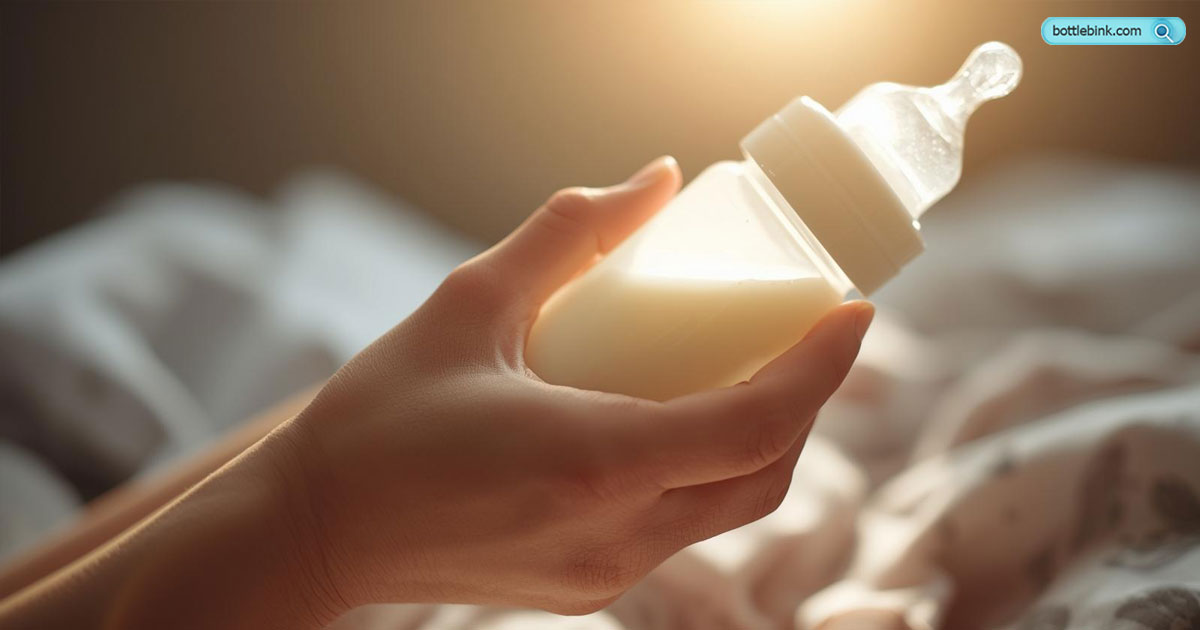
Storing And Reheating Milk
Storing and reheating milk for your baby requires care and attention. Proper handling keeps the milk safe and fresh. It also helps keep your baby healthy and happy. Understanding how to store and warm milk correctly is important for every parent.
Proper Storage Tips
Always store milk in clean bottles or containers. Use BPA-free plastic or glass bottles for safety. Label the container with the date to track freshness. Keep milk in the refrigerator at or below 4°C (39°F). Use refrigerated milk within 24 hours. Frozen milk can last up to 3 months in the freezer. Thaw frozen milk in the refrigerator, not at room temperature.
Safe Reheating Practices
Warm milk gently to preserve nutrients and avoid hot spots. Use a bottle warmer or place the bottle in warm water. Test the milk temperature on your wrist before feeding. Avoid microwaving milk to prevent uneven heating. Never reheat milk more than once. Discard any leftover milk after feeding to prevent bacteria growth.
Alternatives To Warming Bottles
Warming baby bottles is common, but it is not the only choice. Many parents find easy alternatives that suit their baby’s needs. These options can save time and keep feeding simple.
Room Temperature Feeding
Some babies accept milk at room temperature. It means milk stays out for a short time before feeding. This method avoids heating and keeps milk fresh. Room temperature milk can be gentle on a baby’s tummy. Many parents find it quick and fuss-free.
Cold Feeding Benefits
Cold feeding means giving milk straight from the fridge. Some babies enjoy cold milk, especially in warm weather. Cold milk keeps nutrients stable and safe. It can also soothe a teething baby’s sore gums. Parents report less mess and fewer burns with cold feeding.
FAQs About Do You Need to Warm Baby Bottles
Do Baby Bottles Need Warming Before Feeding?
Warming bottles is not always necessary. Some babies feed fine with room temperature milk.
What Is The Safest Way To Warm Baby Bottles?
Use a bottle warmer or warm water bath. Avoid microwaving to prevent hot spots.
Can Cold Bottles Harm My Baby?
Cold bottles won’t harm babies but may be less comforting for some infants.
How Warm Should A Baby Bottle Be?
Aim for body temperature, about 98. 6°F (37°C), to match natural breast milk warmth.
Is It Okay To Feed A Baby With Room Temperature Milk?
Yes, many babies accept room temperature milk without any issues or fussiness.
How Long Can A Warmed Bottle Stay Out?
Warmed milk should be used within 1 hour to keep it safe and fresh.
Can Warming Bottles Destroy Nutrients In Breast Milk?
Gentle warming preserves nutrients. Overheating, especially with microwaves, can reduce milk quality.
What If My Baby Refuses Warmed Bottles?
Try cooler milk or room temperature. Babies have personal preferences for milk temperature.
Conclusion
Warming baby bottles can help make feeding easier for your little one. Some babies prefer warm milk because it feels like breast milk. But room temperature milk works fine too. Always check the temperature before feeding to avoid burns. Use safe warming methods to keep milk fresh and healthy.
Trust your baby’s cues and comfort. Feeding time should be calm and gentle. Remember, every baby is different, so choose what feels right for you both.